REPORT: ISWAP acquires 35 drones for battlefield advantage against Nigerian military
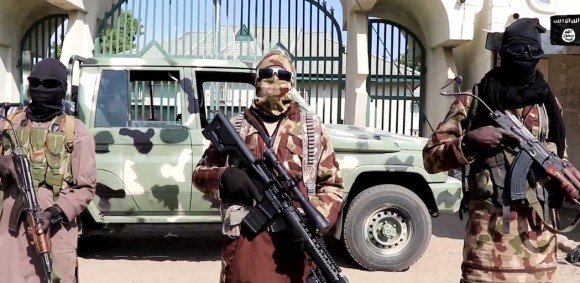
The Islamic State West Africa Province (ISWAP) has reportedly acquired about 35 commercial drones, signalling a shift in tactics in its campaign against Nigerian security forces.
The development comes months after air and drone strikes ordered by Donald Trump, US president, targeted insurgent groups in Sokoto state on Christmas Day 2025.
Although the strikes were framed as a warning to militant groups operating along the Nigeria–Niger border, security analysts say armed factions have since grown more defiant.
Reports indicate that ISWAP is moving beyond ground-based raids towards airborne capabilities using First-Person View (FPV) commercial drones.
Insurgent groups in Nigeria have previously used drones for intelligence and surveillance, but recent acquisitions suggest preparations for offensive operations.
Security experts say FPV quadcopters can be modified to carry small explosive payloads and guided to detonate on impact.
They warn that the use of such drones could enable repeated and sustained attacks on military formations rather than sporadic raids.
Analysts also caution that access to multiple drones raises the possibility of coordinated strikes, including the use of drone swarms.
ISWAP and Boko Haram have increasingly deployed drones alongside fighters during assaults on military bases, some of which have resulted in significant losses for government troops.
Observers say the shift mirrors battlefield trends seen in Ukraine, where low-cost FPV drones have altered combat dynamics.
Security commentators argue that Nigeria must rapidly strengthen its counter-drone capabilities to avoid losing operational advantage.
They have urged greater investment in air defence systems, intelligence gathering and locally developed drone technologies.
Experts say failure to adapt to the emerging drone-enabled insurgency could prolong insecurity in the north-east and north-west regions.