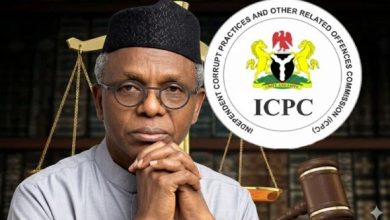
Permanent Secretary Withdraws from Granting El-Rufai Bail Over Security Concerns
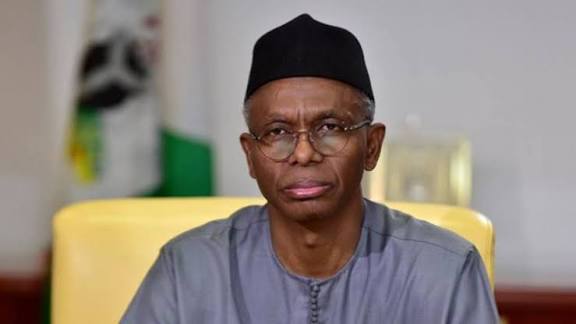
A Permanent Secretary has pulled out of plans to stand as surety for former Kaduna State Governor, Nasir El-Rufai, following reported security threats linked to his detention.
El-Rufai has remained in the custody of the Economic and Financial Crimes Commission for three days over allegations of massive corruption and embezzlement during his eight years in office.
Investigators are probing claims that more than ₦433 billion was misappropriated under his administration.
Sources said the EFCC had initially agreed to grant him administrative bail. The conditions required a Permanent Secretary and a Director from a federal ministry to act as sureties.
However, when the Permanent Secretary arrived to complete the bail process, the commission reportedly became cautious and suspended the arrangement.
It was later gathered that the official withdrew after receiving alleged threats, raising fears of intimidation and interference in the investigation.
El-Rufai is also expected to honour an invitation from the Independent Corrupt Practices and Other Related Offences Commission over a separate corruption case.
His continued detention has created uncertainty over whether he can appear before the ICPC as scheduled.
Members of his legal team have reportedly written to the ICPC to explain why their client could not attend the interrogation.
Meanwhile, the Department of State Services has filed criminal charges against the former governor at the Federal High Court in Abuja.
The DSS accused El-Rufai of unlawfully intercepting the phone communications of the National Security Adviser, Nuhu Ribadu.
Court documents show that the case, marked FHC/CR/99/2026, was filed in the name of the Federal Republic of Nigeria, with El-Rufai listed as the only defendant.
The charge sheet is dated February 16, 2026.
According to the prosecution, the case is based on statements El-Rufai allegedly made during a television interview on February 13, 2026, while appearing on Arise TV Prime Time.
The first count accuses him of admitting to the unlawful interception of the NSA’s phone communications, contrary to the Cybercrimes Amendment Act, 2024.
The second count alleges that he acknowledged knowing individuals involved in the interception but failed to report them to security agencies.
A third count claims that El-Rufai and others still at large used technical systems that threatened public safety and national security by intercepting the NSA’s communications.
The DSS listed several legal officers as counsel for the prosecution in the matter.