Senator Natasha Removed from Nigeria’s UN Women Delegation, Replaced by Male Senator
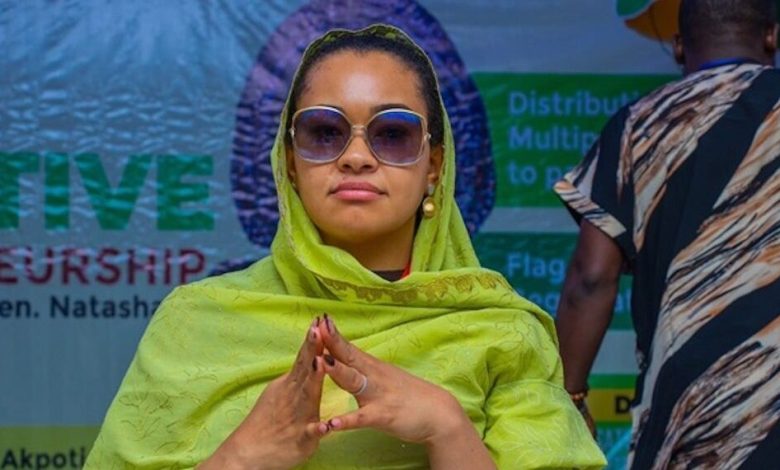
The Nigerian Senate has removed the Senator representing Kogi Central, Natasha Akpoti-Uduaghan, from the country’s delegation to the 70th session of the United Nations Commission on the Status of Women (CSW70) currently taking place in New York.
The global meeting, which began on March 9 and will end on March 19 at the United Nations headquarters, is focused on advancing gender equality and strengthening access to justice for women and girls across member states.
Countries are expected to send delegations to participate in discussions and negotiations that will shape outcomes for women’s rights worldwide.
However, Nigeria’s delegation has drawn attention after Akpoti-Uduaghan, one of the few female senators in the National Assembly, was excluded from the final list and replaced by a male lawmaker.
The issue first surfaced during a Senate Committee on Appropriations meeting on February 25 when the Kogi senator complained that she had been removed from the delegation despite complying with all documentation requirements.
Akpoti-Uduaghan explained that the Federal Ministry of Women Affairs had earlier invited her to join Nigeria’s team attending the international gathering.
According to her, the ministry requested the photo page of her international passport, which she said she submitted within hours.
She later received a response informing her that she would no longer be part of the trip, with officials claiming her passport details were submitted late.
During the committee meeting, the Chairperson of the Senate Committee on Women Affairs, Senator Ireti Kingibe, initially dismissed claims that Akpoti-Uduaghan had been excluded.
Kingibe explained that she had recommended the Kogi lawmaker after two other female senators — Idiat Adebule representing Lagos West and Ipalibo Banigo of Rivers West — reportedly declined the opportunity to attend the session.
She assured Akpoti-Uduaghan that her name had been forwarded and even stated during the meeting that if the Kogi senator was not allowed to attend, she would also stay back.
Despite the assurances, the situation later changed.
In a letter dated March 5 and addressed to Akpoti-Uduaghan, Kingibe said the Ministry of Women Affairs had yet to respond to the request to sponsor additional delegates. She added that the Senate leadership had instead finalised only two representatives for the event.
“For the sake of clarity, I can confirm that at this stage, only two members of the Senate have been officially nominated by the Senate President and have confirmed registration: myself, in my capacity as Chairperson of the Senate Committee on Women Affairs, and Senator Adegbonmire Adeniyi Ayodele, Chairman of the Senate Committee on Judiciary, Human Rights, and Legal Matters. To the best of my knowledge, we are currently the only Senators whose attendance is finalised and registered,” the letter reads.
Kingibe apologised for the development and advised Akpoti-Uduaghan to join the delegation privately if she already had a valid United States visa.
Efforts to get further clarification from Senate officials did not immediately yield results. Calls and messages to Kingibe were not returned, while attempts to reach the Senate spokesperson, Senator Yemi Adaramodu, were unsuccessful.
However, a staff member of the Senate Committee on Women Affairs, who spoke on condition of anonymity, suggested that the decision may have been influenced by concerns within the Senate leadership.
According to the source, some officials feared that Akpoti-Uduaghan could raise sensitive or controversial matters during the international meeting, which they believed might attract unwanted attention for Nigeria.
The senator has reportedly had a strained relationship with the Senate leadership following her sexual harassment allegation against Senate President Godswill Akpabio, an issue that sparked debate within political circles.
The decision to replace a female senator with a male colleague at an international forum dedicated to women’s issues has also drawn criticism from gender advocates.