US Will Strike Iran ‘20 Times Harder’ if Hormuz Strait Oil Flow Stops — Trump Threatens
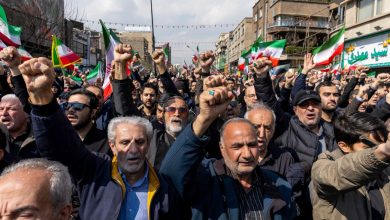
President Donald Trump has warned Iran against blocking oil shipments through the Strait of Hormuz, threatening severe retaliation as energy prices rise amid the ongoing U.S.–Israeli conflict with Iran.
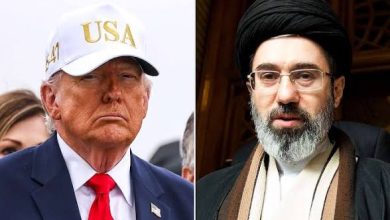
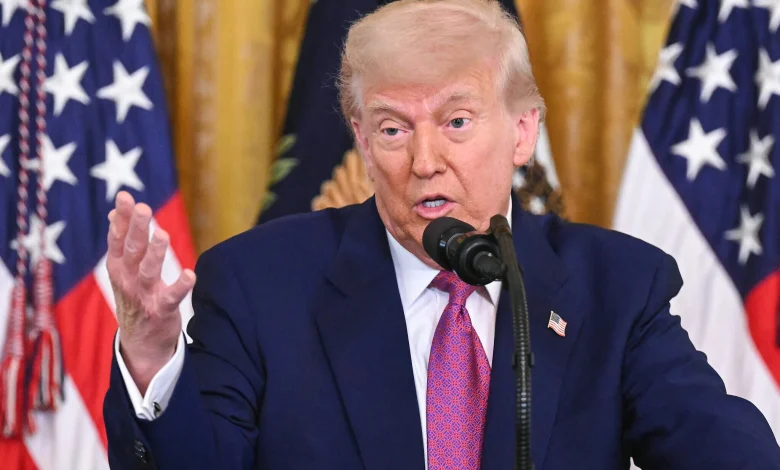
In a post on his Truth Social platform, Trump said any attempt by Tehran to disrupt the vital oil route would attract a forceful response from the United States.
“If Iran does anything that stops the flow of oil within the Strait of Hormuz, they will be hit by the United States of America TWENTY TIMES HARDER than they have been hit thus far,” he wrote.
Trump also warned that the United States could target critical infrastructure in Iran if such actions occur.
“Additionally, we will take out easily destroyable targets that will make it virtually impossible for Iran ever to be built back as a nation again—Death, Fire, and Fury will reign upon them, But I hope, and pray, that it does not happen!” he added.
The former president further said his demand was effectively a “gift from the United States of America to China and all of those Nations that heavily use the key maritime passage.
The Strait of Hormuz, located between Oman and Iran, connects the Persian Gulf with the Gulf of Oman and the Arabian Sea and is regarded as one of the world’s most critical oil transit chokepoints.
According to the U.S. Energy Information Administration, about 20 percent of global petroleum consumption passed through the strait in 2024.
However, following recent U.S.–Israeli strikes on Iranian targets, Iran’s Revolutionary Guard Corps reportedly closed the strait and warned vessels against attempting to pass through it.
Data from hormuzstraitmonitor.com indicated that only two ships had passed through the strait within the last 24 hours, a sharp drop from the typical daily average of about 60 vessels.
The disruption has pushed energy prices higher worldwide, including in the United States, at a time when concerns over the rising cost of living remain a major issue for voters ahead of the upcoming midterm elections.