“The Price Will Be Heavy” — Dangote Warns Nigerians Amid Rising Fuel Increase
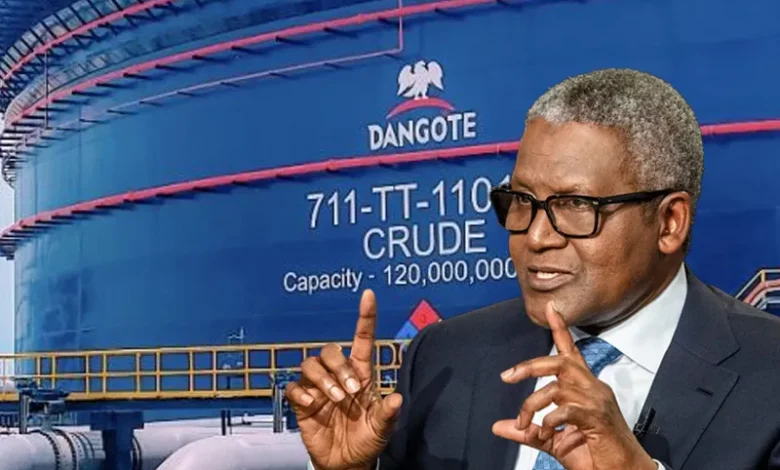
Africa’s richest businessman, Aliko Dangote, has raised fresh concerns over the impact of the ongoing Middle East conflict on Nigeria’s economy, warning that citizens should brace for tougher times if the crisis deepens.
He spoke after a meeting with President Bola Ahmed Tinubu in Lagos, where discussions reportedly centred on energy stability and the rising cost of petroleum products.
Dangote said the situation between Iran and the United States-Israel bloc is already sending shockwaves through global oil markets.
According to him, Nigeria will not be spared if the tension escalates further. He stressed that energy prices are at the heart of economic survival, affecting both households and industries across the country.
“If the situation does not de-escalate, we will end up paying a heavy price.
“Energy affects everything. From small businesses like barbers to industries running generators, everyone will feel the impact if costs continue to rise,” he said.
The warning comes at a time when Dangote’s refinery, with a capacity of 650,000 barrels per day, has adjusted its petrol loading price multiple times in March. The gantry price reportedly climbed to about N1,245 per litre within weeks, reflecting the volatility in global crude supply.
The ongoing crisis, which began on February 28, has pushed crude oil prices above the $100 per barrel mark. Although there were brief signs of relief on Monday following claims of possible peace talks by former U.S. President Donald Trump, the market remained unstable. Iranian officials later dismissed the claims, triggering another upward movement in prices.
Across Nigeria, the effect is already visible. Retail petrol prices have surged significantly. Nigerians now pay around N1,367 per litre in many locations, a sharp increase from about N875 recorded before the conflict began. The steady rise has placed additional pressure on transport costs, food prices, and general living expenses.
Industry observers say the development highlights Nigeria’s continued dependence on global oil dynamics despite local refining efforts. While the Dangote refinery was expected to ease supply challenges, fluctuations in crude oil prices still play a major role in determining final pump prices.
There are also growing concerns among small business owners. Many rely on petrol and diesel to power daily operations due to unstable electricity supply. With fuel costs rising, several operators fear reduced profit margins and possible shutdowns.