US Missionary Alex Barbir Expelled from Nigeria Over Speech Fueling Insecurity

The Federal Government has expelled American missionary, Alex Barbir, following allegations that his public statements were capable of worsening insecurity in parts of the country.
Authorities said his remarks were divisive and could trigger violence, especially in Plateau State.
The decision comes amid rising concerns over tensions in the North-central region. Government officials believe his activities and comments were beginning to affect national unity.
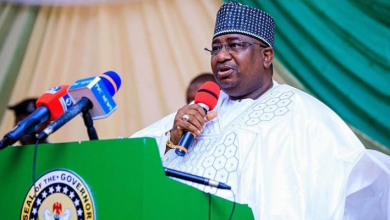
Abiodun Essiet, Senior Special Assistant to President Bola Tinubu on Community Engagement (North Central), confirmed the development during an interview on Monday. She said the government acted after reviewing the impact of his engagements.
“Yeah, so we’ve realised what Alex Barber has done, so I must inform that Alex Barber is no longer in Nigeria,” she said.
She added that the missionary was removed because his actions were seen as harmful. “He has been, we can say, removed and sent out of the country because of the work he’s doing, which is creating division.”
According to her, some of his statements had immediate consequences. She linked a speech he delivered in Jos to an incident that followed shortly after.
“Immediately after he made his speech in Jos, a lot of people didn’t know that two people, two Muslims, were killed immediately after his speech,” she said.
“Because of the impact of this provocative speech, which he has been making, he was sent out of the country and is no longer in Nigeria.”
Before his exit, Barbir had built a strong presence in parts of Benue and Plateau states. He was known for humanitarian efforts in communities affected by violence. Through his initiative, he supported rebuilding projects, provided basic infrastructure, and participated in relief activities.
In Yelwata, a community hit by attacks in 2025, his team reportedly rebuilt several homes and assisted displaced residents. Some community leaders praised his intervention, saying it brought relief where government response was slow.
Despite this, his growing influence also attracted criticism. Observers accused him of presenting Nigeria’s security challenges in a way that could deepen religious and ethnic divisions. His repeated description of the crisis as a “war” raised concern among officials and analysts.
In several interviews, Barbir questioned official narratives and openly criticised the handling of insecurity. He also expressed distrust in government institutions, particularly in managing humanitarian support.
These comments drew reactions from public figures and religious leaders. Some called for investigations into his activities, warning that his words could threaten public peace. Others argued that foreign actors should not interfere in sensitive national issues.
There were also claims circulating online about his presence in areas shortly after attacks. However, no evidence has linked him to any criminal activity.
Supporters of the missionary defended his work. They insisted he was only drawing global attention to the suffering in affected communities. Some religious leaders backed him, describing his actions as humanitarian and faith-driven.
Barbir himself responded to critics in a video, saying his work speaks for him. “They haven’t talked about me rebuilding villages… but when I speak out… then all of a sudden [they react],” he said.
He also rejected claims that his statements caused violence. In a post on his social media page, he said: “Let it be known that if Abiodun Essiet… made this statement, they are directly lying to the Nigerian and international community. I’ve never heard of this person, nor had conversation with them.”
Legal experts say Nigeria has the authority to deport foreign nationals whose actions are considered a threat to public order. While freedom of speech exists, it does not extend to incitement or statements capable of triggering unrest.
Mrs Essiet said the government’s action was taken to prevent further tension. She warned against narratives that could divide communities, drawing parallels with past global tragedies.
“That’s what the government has done, because we don’t want individuals to come and create division,” she said.
She added that Nigeria must avoid any situation that could escalate into wider conflict.