JUST IN: Iran Reopens Strait of Hormuz, Agrees to Two-Week Ceasefire With US
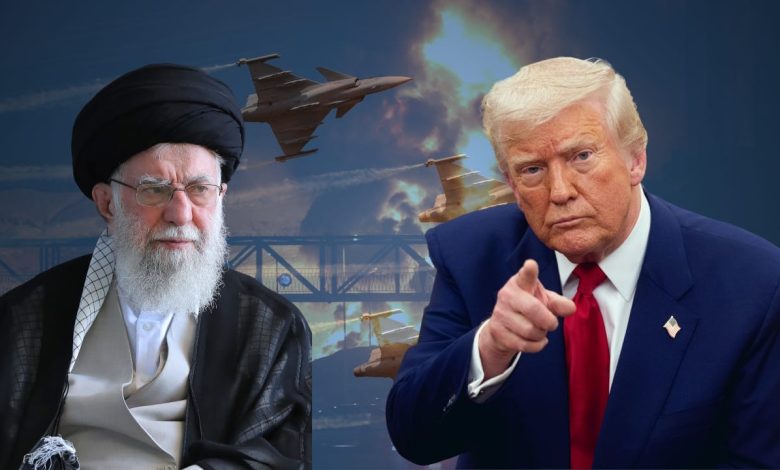
Iran has announced a temporary reopening of the Strait of Hormuz and a two-week ceasefire with the United States in an effort to calm rising tensions in the Middle East.
The decision was made public on Tuesday night. Iran’s Foreign Minister, Abbas Araghchi, confirmed that the strategic waterway would be reopened under controlled conditions.
The Strait of Hormuz is a key global oil route, making the decision significant for international trade and security.
“For a period of two weeks, safe passage through the Strait of Hormuz will be possible via coordination with Iran’s Armed Forces and with due consideration of technical limitations,” Araghchi said.
He also stated that Iran is ready to pause its military response, but only under certain conditions. According to him, the country will stop defensive operations if attacks against Iran are halted.
“If attacks against Iran are halted, our powerful armed forces will cease their defensive operations.”
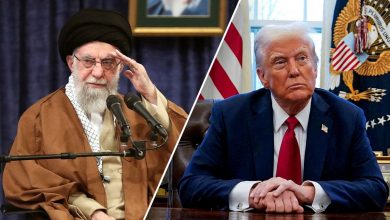
Despite the announcement, Iran’s Supreme National Security Council made it clear that the situation remains fragile. The council stressed that the ceasefire does not signal the end of the ongoing conflict. It noted that a lasting resolution depends on the United States agreeing to key conditions outlined by Iran.
“It is emphasised that this does not mean the end of the war,” the council said.
“Iran will only accept the end of the war when, in addition to accepting the principles outlined in the 10-point plan, the details are finalised in negotiations.”
As part of efforts to find a lasting solution, both countries are expected to meet for talks in Islamabad, Pakistan. The South Asian country has stepped into a mediator role, helping to bring both sides to the negotiation table.
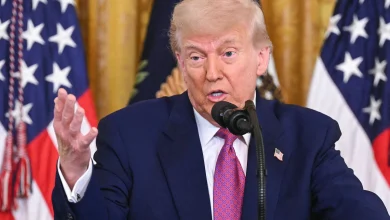
U.S. President, Donald Trump, also confirmed the temporary truce. In a message shared on his Truth Social platform, he said the decision followed discussions with Pakistan’s leadership, including Prime Minister Shehbaz Sharif and the country’s army chief, Asim Munir.
“Based on conversations with Prime Minister Shehbaz Sharif and Field Marshal Asim Munir… and subject to the Islamic Republic of Iran agreeing to the complete, immediate and safe opening of the Strait of Hormuz, I agree to suspend the bombing and attack of Iran for a period of two weeks,” Trump wrote.
Sharif welcomed the development and praised both sides for showing restraint.
“Both parties have displayed remarkable wisdom and understanding,” he said.
“We earnestly hope that the Islamabad talks succeed in achieving sustainable peace and wish to share more good news in coming days.”
Details of Iran’s proposed 10-point plan have also emerged. The demands include assurances that the United States will not carry out further attacks. Iran is also insisting on maintaining control over the Strait of Hormuz and continuing its uranium enrichment programme.
Other demands include compensation for damages, withdrawal of U.S. forces from the region, and the removal of sanctions imposed on Iran. As part of the proposal, Iran has reportedly pledged that it will not pursue nuclear weapons.
The ceasefire is expected to take effect immediately. Israel is also said to have agreed to the temporary arrangement. Reports indicate that the United States has already issued orders to halt offensive military actions during the two-week period.