We’ve Imposed Visa Ban on Nigerians Violating Religious Freedom — US Official
The United States government has confirmed that it has begun enforcing new visa restrictions targeting individuals found guilty of violating religious freedom.
It warned that anyone involved in religious persecution would be barred from entering the country.
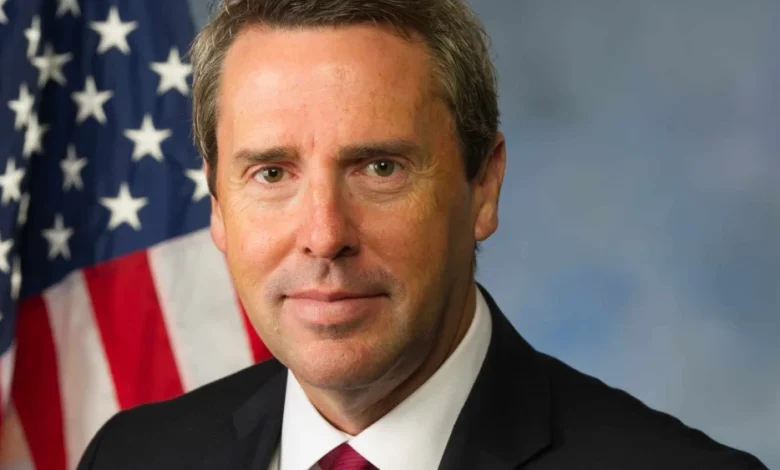
Mark Walker, the US Principal Advisor for Global Religious Freedom, disclosed this in a post on X on Friday.
“In December, Secretary Rubio announced that the State Department will restrict US visas for those who have directed, authorised, funded, significantly supported, or carried out violations of religious freedom.
“We have already executed on this policy and we will continue to subject perpetrators to additional scrutiny.
“If you engage in persecution, you are not welcome in America. The United States is safer when we keep those responsible for religious persecution from entering our homeland,” he said.
The statement confirms the implementation of a policy earlier announced by Secretary of State Marco Rubio, which targets individuals who direct, fund, or support violations of religious freedom.
The policy is backed by Section 212(a)(3)(C) of the Immigration and Nationality Act and also allows the US State Department to extend visa restrictions to immediate family members of affected individuals where necessary.
The United States has also previously named Nigeria among countries of concern, with Rubio stating that the restrictions could apply to “Nigeria and any other governments or individuals engaged in violations of religious freedom.”
The announcement followed a briefing by US House Republicans on rising religious violence in Nigeria, convened at the direction of President Donald Trump, who described killings of Christians in Nigeria as a “slaughter.”
On November 20, 2025, the US House Subcommittee on Africa held a public hearing to review Trump’s redesignation of Nigeria as a Country of Particular Concern, placing the country under increased scrutiny over alleged religious freedom violations.
Lawmakers also examined the possible consequences of the designation, which could lead to sanctions against Nigerian officials found complicit in religious persecution.