JUST IN: Court Stops Police, FRSC from Fining Motorists Over Insurance Violations
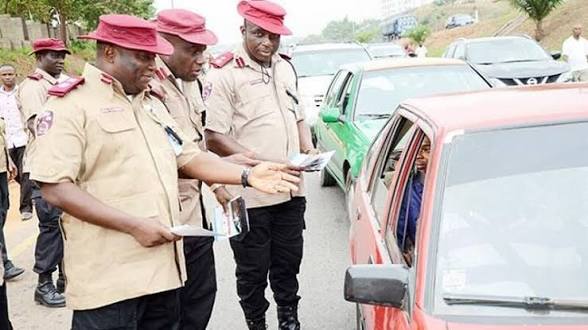
The Federal High Court in Abuja has barred the Nigeria Police Force and the Federal Road Safety Corps (FRSC) from the direct imposition of fines on Nigerian motorists regarding third-party motor insurance infractions.
This significant judicial intervention clarifies that while these agencies maintain the authority to check for compliance, they do not possess the legal standing to penalize citizens financially without a prior pronouncement from a court of law.
Justice Hauwa Yilwa, presiding over the matter on Friday, delivered a judgment that creates a clear line between the power to enforce laws and the power to sanction offenders.
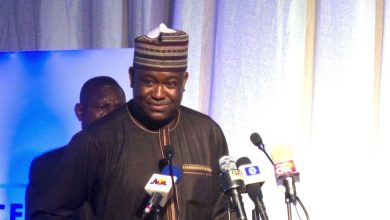
The ruling was the result of a legal challenge initiated by human rights activist and lawyer, Deji Adeyanju, against the Inspector-General of Police, the Attorney-General of the Federation, and the FRSC.
The court examined the provisions of the Motor Vehicles (Third Party Insurance) Act and the Insurance Act of 2003 to determine the boundaries of agency powers during routine road operations.
While the court acknowledged that both the police and the FRSC are legally permitted to conduct stop-and-search operations to verify insurance documents, it insisted that the administrative imposition of fines by these bodies is a jump over judicial process.
The court specifically restrained the Inspector-General of Police and the FRSC from continuing the practice of fining citizens on the spot or through administrative channels for insurance-related matters.
Counsel to the applicant, Marvin Omorogbe, explained after the session that the court’s decision is a victory for the rule of law. He noted that the court held that “the police and the road safety may enforce” compliance but they “outrightly lack the powers to impose fines on third parties or vehicle owners” during such exercises.
By granting a perpetual injunction, the court has effectively stopped these agencies from acting as both the accuser and the judge in insurance matters.
Reacting to the development, Deji Adeyanju stated that the primary goal of the litigation was to protect Nigerians from arbitrary levies and potential extortion on the highways.
He noted that “the sole reason why we came to court is that we wanted the court to make a positive declaration that the police and the road safety do not have the right to impose fines on any Nigerian over motor vehicle insurance. And we have succeeded.”
He encouraged the public to remain aware of their rights and to use this judgment as a shield against illegal penalties.
On the defense side, Victor Okoye, representing the government agencies, indicated that an appeal is likely. He raised concerns regarding the court’s jurisdiction, arguing that the case involved contentious issues that should not have been handled through an originating summons.
Okoye also pointed out a technicality regarding the naming of the Inspector-General of Police rather than the Nigeria Police Force as a corporate body, suggesting that the legal battle is far from over as they look toward the Court of Appeal.