Killing of Top ISWAP Commander Triggers Fresh Wave of Terror Attacks in North-East
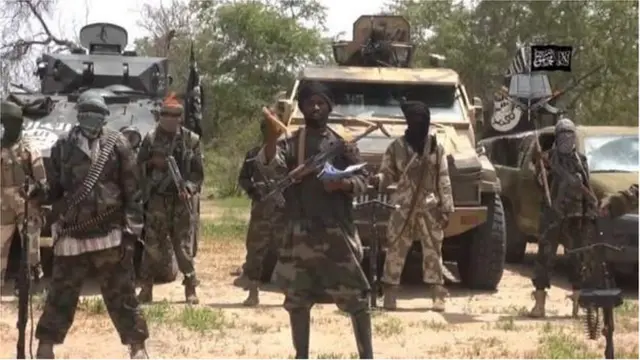
Fresh concerns have emerged over possible renewed terror attacks in Nigeria’s North-East following the killing of a senior Islamic State West Africa Province, ISWAP, commander, Abu-Bilal al-Minuki.
A new report released by policy think tank, Nextier, warned that although the elimination of the terrorist leader was a major military breakthrough, it could also trigger another round of violence across the Lake Chad region.
The report titled, “Beyond the Strike: Assessing the Strategic Implications of the Killing of Abu-Bilal al-Minuki,” said insurgent groups may attempt to reorganise and retaliate in the aftermath of the operation.
The Defence Headquarters had earlier described the operation as one of the biggest counterterrorism successes recorded in the North-East since the launch of Operation HADIN KAI.
Nextier said the deceased commander played a major role within ISWAP and had strong links to the wider ISIS network operating across parts of Africa.
The report, authored by senior policy analyst Joshua Biem and Nextier managing partner, Dr Ndu Nwokolo, stated that al-Minuki handled critical financial and operational activities for the group, especially within the Lake Chad Basin and Sahel region.
It noted that his death may temporarily weaken ISWAP’s structure and disrupt funding channels used by the group.
Despite the development, the think tank warned that the situation could create another security challenge as rival terror faction, Jama’atu Ahlis Sunna Lidda’awati wal-Jihad, widely known as Boko Haram, may attempt to take advantage of the power vacuum.
The report said Boko Haram fighters loyal to Bakura Doro had recently regained influence in parts of the Lake Chad islands and could intensify attacks as ISWAP struggles with internal adjustments.
According to the analysts, renewed rivalry between the two factions may lead to more attacks on civilians, villages and military formations across Borno State and surrounding communities.
The organisation also expressed concern over growing security gaps within the region following the withdrawal of Nigerien troops from some multinational operations.
It warned that extremist groups could exploit weakened regional cooperation to strengthen cross-border movement, arms supply and recruitment activities.
Nextier maintained that military operations alone would not permanently end insurgency in Nigeria.
The report stated that poverty, weak governance, unemployment and humanitarian challenges remained major factors driving recruitment into armed groups across the North-East.
“Military operations alone cannot defeat an insurgency,” the report stated, while stressing that extremist groups often gain support in neglected communities by creating alternative systems of control and welfare.
The think tank also warned against the politicisation of security operations ahead of the 2027 general elections.