Tinubu Set to Review N70,000 Minimum Wage – Presidency Confirms
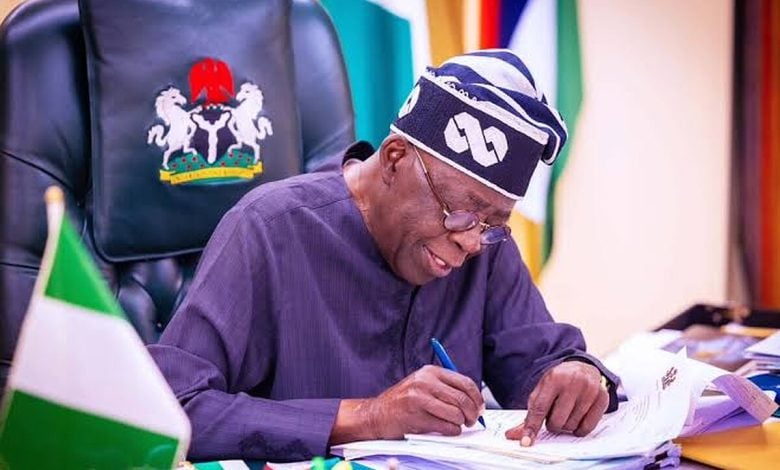
The presidency has officially confirmed that plans are underway to alter the current national minimum wage configuration because the current economic situation has made the baseline salary unsustainable.
Chief of Staff to the President, Femi Gbajabiamila, made this disclosure while speaking in Abuja on Thursday during an event organized by a group called Working People United.
According to the former Speaker of the House of Representatives, the present N70,000 threshold established under President Bola Tinubu’s administration in 2024 is no longer capable of meeting the practical economic demands faced by citizens across the nation.
He noted that the “N70,000 wage, which was a milestone in 2024 must be honestly reassessed against today’s realities,” signaling a strong commitment from the executive arm to reopen discussions surrounding statutory labor compensation.
Gbajabiamila assured organized labor groups that the administration does not view workers as adversaries but rather as key contributors to the progress of the country.
He emphasized that the government plans to approach the upcoming negotiations with a high level of empathy and cooperation.
“I can confirm to you that when the time comes to begin the process of reviewing the national minimum wage, this administration will approach that endeavor not as an adversary of Labour, but as a partner,” he said.
He further re-iterated the commitment of the president to human capital development and fair treatment of the workforce.
“President Tinubu has said time and again that the custodians of the nation’s machinery deserve a fair and commensurate wage, and as you all well know by now, this is the president who means precisely what he says and does exactly what he means,” Gbajabiamila stated, defending the president’s record on labor issues.
While urging trade unions and workers to maintain a peaceful posture, the Chief of Staff maintained that sustainable national growth requires an ongoing collaboration rather than perpetual conflict.
He mentioned that “It must be said that good governance is not a performance stage by government for the benefit of a passive audience, it’s a partnership between those who govern and those who are governed.”
He also emphasized that the relationship between the ruling political class and the working population remains the most crucial foundation for industrial harmony.
“No where is that partnership more vital than the relationship between government and the working people of Nigeria,” he added.
Concluding his address, the former lawmaker appealed directly to union leaders to choose the path of dialogue over strikes and industrial actions, which often cripple the national economy.
“It is with this understanding in mind that I ask the leaders of organized labour and the members of working people united to remain what you have so often been at your finest, partners in progress rather than antagonist in perpetuity, let us choose to dialog over disruption, because as we have proved again and again, we achieve far more when we visit together than when we retreat, retreat to our separate corners,” Gbajabiamila remarked.
In a related development, Politics Nigeria earlier reported that civil servants under the umbrella of the Joint National Public Service Negotiating Council (JNPSNC) have already intensified pressure on the government, demanding a substantial increase to cushion the effects of inflation.
Organized labor has repeatedly argued that the current purchasing power of public servants has severely deteriorated, making an early review of the minimum wage structure inevitable.