
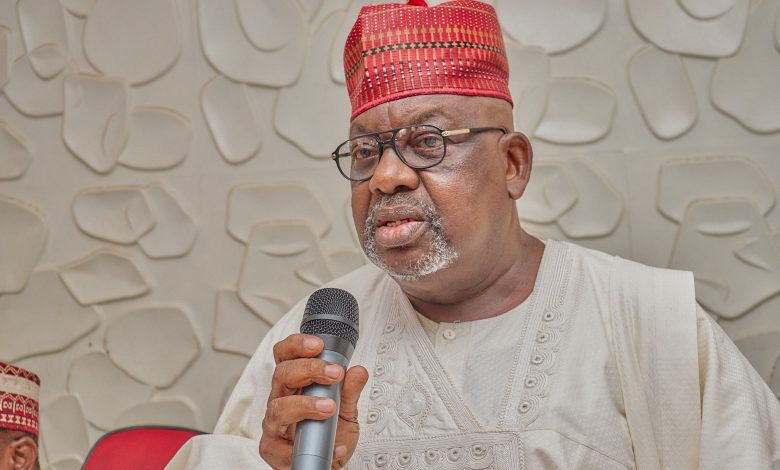
The internal crisis rocking the New Nigeria People’s Party (NNPP) deepened after Senator Rufai Sani Hanga, representing Kano Central, described the reported plan by Governor Abba Kabir Yusuf to defect to the All Progressives Congress (APC) as a profound betrayal.
Speaking on Monday in Hausa, Hanga, the only NNPP senator from Kano, warned that the people of the state have never supported leaders who turn against those who helped them rise to power.
He said individuals urging the governor to join the APC do not have his best interests at heart.
“In truth, all those gathering to call on Governor Abba Kabir Yusuf to join the APC are not his friends,” Hanga said.
“Anyone who truly loves him would not ask Abba to betray the people of Kano, the North, and Nigeria, especially at this time of fuel subsidy removal and new tax reforms.”
The senator also reminded the governor of his long-standing political relationship with NNPP leader, Rabiu Musa Kwankwaso, stressing that Abba Yusuf’s political ascent was built under Kwankwaso’s mentorship.
“Anyone who loves Abba would not ask him to be ungrateful to Kwankwaso,” Hanga stated.
“He mentored him from when he ‘had no teeth’ until he became what he is today. Is he so desperate for a position that he would allow everyone to perish?”
Hanga warned that defecting to the APC would not sit well with Kano voters, whom he said place high value on loyalty.
He dismissed claims that Kwankwaso might secretly support such a move, describing the reports as “theatre.”
“In Kano, we don’t cheer for betrayal; we pity the betrayed. You cannot betray someone and impress the people of Kano. If I see Abba, I will advise him to punish everyone urging him to betray Kwankwaso,” he said.
Reaffirming his loyalty, the senator added, “I am with Kwankwaso 1,000 per cent, until death. No elected official would be as foolish at this time as those planning to join the APC.”
The fresh warning came just hours after the NNPP chairman in Kano, Hashim Dungurawa, publicly appealed to Governor Yusuf to remain in the party, admitting that keeping the party together had become increasingly difficult.
