US Govt Accuses Nigeria of Failing to Give Clear Account of Revenues, Spending
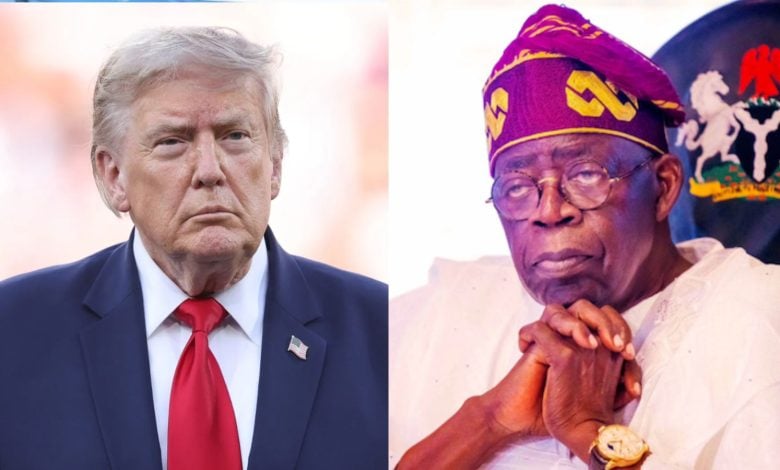
The United States Government has criticised Nigeria’s fiscal transparency record, saying the Federal Government has not provided enough information for the public to clearly understand how government revenues are generated and how public funds are spent.
The criticism was contained in the 2026 Fiscal Transparency Report released by the US Department of State on Tuesday.
The report acknowledged that Nigeria had made some fiscal information available to the public.
However, it said the documents published by the government did not provide a complete picture of the country’s revenue and expenditure.
According to the report, important gaps remain in the way Nigeria presents information on public finances. It also raised concerns about the level of detail provided on spending by executive offices.
The United States government further questioned the relationship between Nigeria’s approved budget and the actual revenue and expenditure recorded during implementation.
“Actual revenues and expenditures did not reasonably correspond to those in the enacted budget. The government did not publish accessible information on public procurement contracts,” it stated.
The US report also examined Nigeria’s audit system.
It said the country’s supreme audit institution did not meet international standards for independence. It also faulted the institution for failing to publish substantive reports, despite having access to the government’s entire executed budget.
The report said stronger independent auditing would improve public scrutiny of government spending and help Nigerians understand whether approved funds are being used for the purposes for which they were appropriated.
Procurement was another area highlighted by the United States.
The report said Nigeria continued to face challenges in making information about government contracts easily available to the public.
This, according to the assessment, limits the ability of citizens to monitor how public contracts are awarded and implemented.
The US government, however, did not describe Nigeria’s fiscal transparency record as lacking progress in every area.
It noted that the country had made information on its debt obligations publicly available. This included major debt obligations associated with state-owned enterprises.
Nigeria also received acknowledgement for its natural resource contracting framework.
The US government said Nigeria had established legal criteria and procedures for awarding licences and contracts for natural resource extraction.
It added that the government generally followed the existing regulations in practice.
Despite these areas of progress, Washington said more needed to be done to make Nigeria’s public finances easier for citizens to understand and scrutinise.
It recommended that the Federal Government make its executive budget proposal widely and easily accessible to the public, including through online platforms.
Tinubu has repeatedly presented fiscal discipline and transparency as key parts of his economic programme.
At the signing of the 2025 Appropriation Act on February 28, 2025, the President said the government must be careful about how it spends public money.
“We cannot spend what we do not have,” Tinubu said.
He also said the government would work to increase revenue, attract investment and ensure accountability in public spending.
“Hold every agency accountable for prudent spending and value-for-money initiatives,” the President said.
The administration has since introduced and continued several reforms targeting government revenue, taxation, debt management and public financial administration.
The 2026 budget also contains significant spending commitments.
In his budget speech, Tinubu said the government expected total revenue of N34.33 trillion and projected expenditure of N58.18 trillion. Debt servicing was put at N15.52 trillion, while capital expenditure was projected at N26.08 trillion.
The President said the figures reflected the government’s priorities and promised stronger fiscal management.
“We will continue to reduce waste, strengthen controls, and ensure that every naira borrowed or spent delivers measurable public value,” he said.
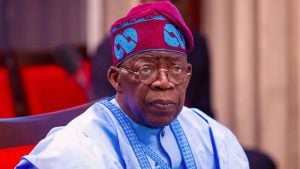
In a related development, President Bola Ahmed Tinubu has continued to defend his administration’s fiscal reforms while promising greater transparency in the management of public funds.
On May, the President reiterated his commitment to fiscal discipline and transparency during a meeting with investors as the Federal Government continued efforts to attract investment into the Nigerian economy.
The meeting formed part of the administration’s engagement with international investors over the direction of Nigeria’s economic reforms.
At the meeting, Tinubu maintained that the government’s policies were aimed at creating a more stable economic environment and improving confidence in Nigeria’s financial system.
The President also spoke about the need for policy consistency as his administration works to increase government revenue and strengthen the economy.
“The focus remains on policy stability and diligent execution to ensure these strategic shifts translate into concrete benefits for all Nigerians”, the President said.
Finance officials at the meeting also highlighted the administration’s plans to strengthen fiscal discipline and improve transparency.
Tinubu’s administration has argued that its reforms have already produced improvements in government revenue.
In his speech marking the second anniversary of his administration in May 2025, the President said Nigeria’s fiscal position had improved and that the government had recorded stronger revenue performance.
He said the fiscal deficit had fallen from 5.4 per cent of GDP in 2023 to 3.0 per cent in 2024.
The President also said the government recorded more than N6 trillion in revenue in the first quarter of 2025.
Tinubu linked the improvement to reforms in government finances and revenue mobilisation.
The administration has also moved to increase revenue through tax reforms and changes in the oil and gas sector.
The government has repeatedly said the reforms are necessary to create a stronger revenue base and reduce dependence on borrowing.
But the latest US report shows that increasing revenue is only one part of the fiscal transparency debate.
How the revenue is reported, how expenditure is disclosed and whether citizens can easily compare approved budgets with actual spending are equally important.
This is especially relevant as Nigeria manages larger annual budgets and carries substantial debt-servicing obligations.
The Federal Government’s 2026 budget provides for tens of trillions of naira in spending, making effective monitoring increasingly important.
Tinubu, while signing the 2025 budget, had also stressed that government agencies must be held responsible for prudent spending.
“A budget is not just numbers—it is a promise, and we must honour it with discipline,” he said.