2027: Labour Party Disowns Lawsuit Seeking Release of Peter Obi’s Records
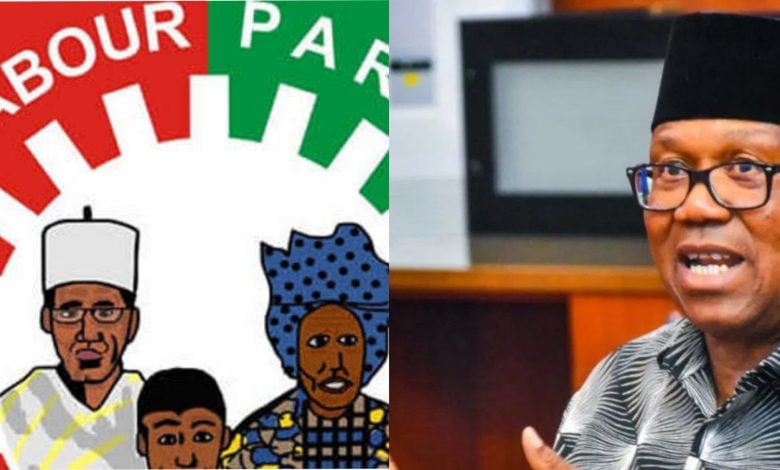
The Labour Party has distanced itself from a suit filed by Abayomi Arabambi seeking the academic records of Peter Obi, and asserted that the plaintiff is no longer a member of the party.
National Publicity Secretary of the party, Ken Asogwa, made the clarification in a statement issued in Abuja on Monday.
Asogwa said the party initially ignored reports of the lawsuit when they surfaced on social media but was compelled to respond after media organisations described Arabambi as an LP chieftain in reports on the case.
He said Arabambi was among 25 members suspended by the party’s National Executive Council on March 18, 2026, over alleged infractions bordering on anti-party activities.
According to him, the suspension was subsequently ratified by the party’s National Convention on April 28, 2026, after which the affected individuals ceased to be members of the LP.
“No organ of the Party has met to revisit or reverse the said decision,” Asogwa said.
He therefore urged the media and members of the public to disregard any description of Arabambi as an LP chieftain or representative of the party.
“It is therefore against this background that the Labour Party wishes to inform the general public, and particularly the media, that Abayomi Arabambi is not a member of the Labour Party and could not have instituted any action in court as a member of the party, having long severed ties with the Labour Party,” he said.
Asogwa added that any attempt by Arabambi to present himself as acting for or representing the party would be unauthorised and could amount to impersonation.
He disclosed that the matter was being reviewed by the party’s lawyers to determine possible legal and other actions, including a petition to relevant law enforcement authorities.
The LP spokesman, however, stressed that the clarification about Arabambi’s membership status should not be interpreted as the party taking a position on the merits of the case against Obi.
Obi, the presidential candidate of the Nigerian Democratic Congress, is also no longer a member of the Labour Party.
Arabambi had approached the Federal High Court in Abuja, asking it to compel the University of Nigeria, Nsukka, to release documents relating to an alleged Bachelor of Arts degree in Philosophy said to have been awarded to Obi in 1984.
The suit, marked FHC/ABJ/CS/2144/2026, was filed on September 9 by his lawyer, Anderson Asemota.
The Vice-Chancellor of UNN and the university were listed as the first and second respondents.
In the suit, Arabambi said he requested a Certified True Copy of Certificate Number D000198, allegedly issued to Gregory Peter Onwubuasi Obi in respect of a BA degree in Philosophy.
He also sought access to academic records and other official documents purportedly used as the basis for the award of the degree and issuance of the certificate.
Arabambi said the request was made under the Freedom of Information Act 2011 and received by the respondents on August 6.

He alleged that the university failed to provide the requested documents within the statutory period and did not issue a written notice explaining the legal basis for refusing access.
The applicant said he subsequently sent a reminder on August 31, which was reportedly received by the university on September 1.
According to his affidavit, UNN had neither released the requested records nor issued what he described as a lawful notice of refusal as of the time the suit was instituted.
Arabambi is seeking 19 reliefs, including an order of mandamus directing the respondents to process and respond to his Freedom of Information request in accordance with the law.
He also wants the court to compel the university to provide a Certified True Copy of Certificate Number D000198 if the document exists in its custody, possession or control.
Among the other records sought are academic and graduation records, degree-award documents, certificate-register entries, Senate or academic approval records and other official documents connected to the alleged degree.
Arabambi argued that the Freedom of Information Act gives him a statutory right to access information held by public institutions and that UNN is bound by the provisions of the law.
He contended that the university’s failure to release the records or issue a lawful refusal constituted a refusal or deemed refusal under the Act.