You Carefully Avoided Insecurity In Your October 1 Speech – Atiku’s Camp Fires Tinubu
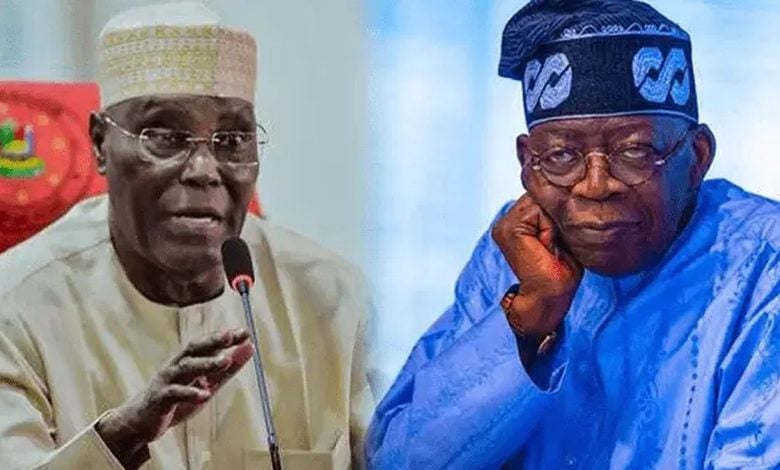
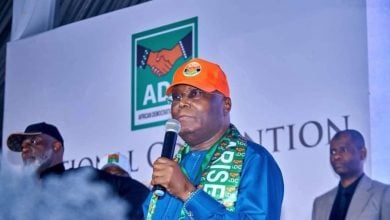
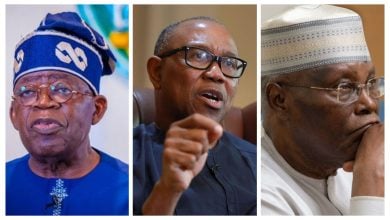
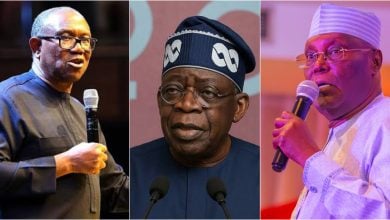
The camp of presidential candidate of the African Democratic Congress (ADC), Atiku Abubakar has accused President Bola Ahmed Tinubu of carefully avoiding the country’s worsening insecurity in his Independence Day address.
Paul Ibe, media adviser to the former Vice President, made the criticism in a statement posted on X.
Ibe argued that Tinubu’s reference to insecurity was brief and did not adequately address the killings, kidnappings, mass abductions and attacks affecting communities across the country.
He said the President thanked security forces and made fleeting references to insecurity but failed to give Nigerians a detailed account of the situation or explain what his government planned to do differently.
“President Bola Tinubu’s Independence Day address was remarkable not only for what he said, but for what he carefully avoided saying,” Ibe wrote.
He added, “Yes, he made fleeting references to ‘insecurity’ and thanked the security forces. But on the pervasive insecurity confronting Nigerians today—the killings, kidnappings, mass abductions and communities living in fear—there was no serious accounting, no assessment of the crisis and no clear explanation of what his government intends to do differently.”
Using proverb, he said, “There is an Igbo saying: why mention dry bones in a proverb when the old woman is around?”
He added, “Perhaps insecurity has become that uncomfortable subject for this administration.”
According to Atiku’s media adviser, security concerns remain closely connected to the country’s economic difficulties because farmers, businesses, travellers and families cannot fully participate in economic activities when they fear attacks or abductions.
“While the President painted a picture of a country supposedly marching towards prosperity, hundreds of Nigerians remain in captivity. Farmers cannot safely access some of their farms. Travellers continue to confront the threat of kidnapping on highways. Communities are attacked and families pay ransoms to recover loved ones,” he said.
Ibe argued that economic prosperity could not be discussed separately from the protection of lives and property.
“You cannot talk seriously about prosperity while avoiding security. A farmer who cannot safely reach his farm cannot contribute to food security. A businessman afraid to travel cannot grow his business. Children who fear abduction cannot learn in peace,” he said.
He also questioned the government’s response to the continued insecurity, arguing that Nigerians deserved a clearer explanation from the President in his capacity as Commander-in-Chief.
“The President is Commander-in-Chief. Nigerians are entitled to hear from him plainly about why insecurity persists, what has gone wrong, what measurable progress has been made and what will change,” Ibe said.
“Playing the ostrich cannot make the crisis disappear.”
“Insecurity cannot be wished away. It must be confronted, accounted for and defeated,” he said.
Atiku’s camp had also defended his repeated reference to President Tinubu as “Bola”, after Minister of Aviation and Aerospace Development Festus Keyamo described the former Vice President’s choice of words as “very disrespectful and discourteous.”
Atiku’s men argued that there was no Nigerian law requiring citizens to address Tinubu with “President”, “His Excellency” or “Mr President” before his name.
“Bola is the President’s name, right. There is no Nigerian law that makes it a criminal offence to address a President by his first name,” the statement said.
It cited Section 36(12) of the Nigerian Constitution, which provides that a person cannot be convicted of an offence unless the offence and its penalty are prescribed in a written law.
They challenged those criticising Atiku to identify any law requiring Nigerians to prefix Tinubu’s name with his official title.
“So, anyone claiming Atiku committed an offence should produce the law that says Nigerians must always prefix Bola Tinubu’s name with ‘President,’ ‘His Excellency’ or ‘Mr President.’ There is no such law,” it said.
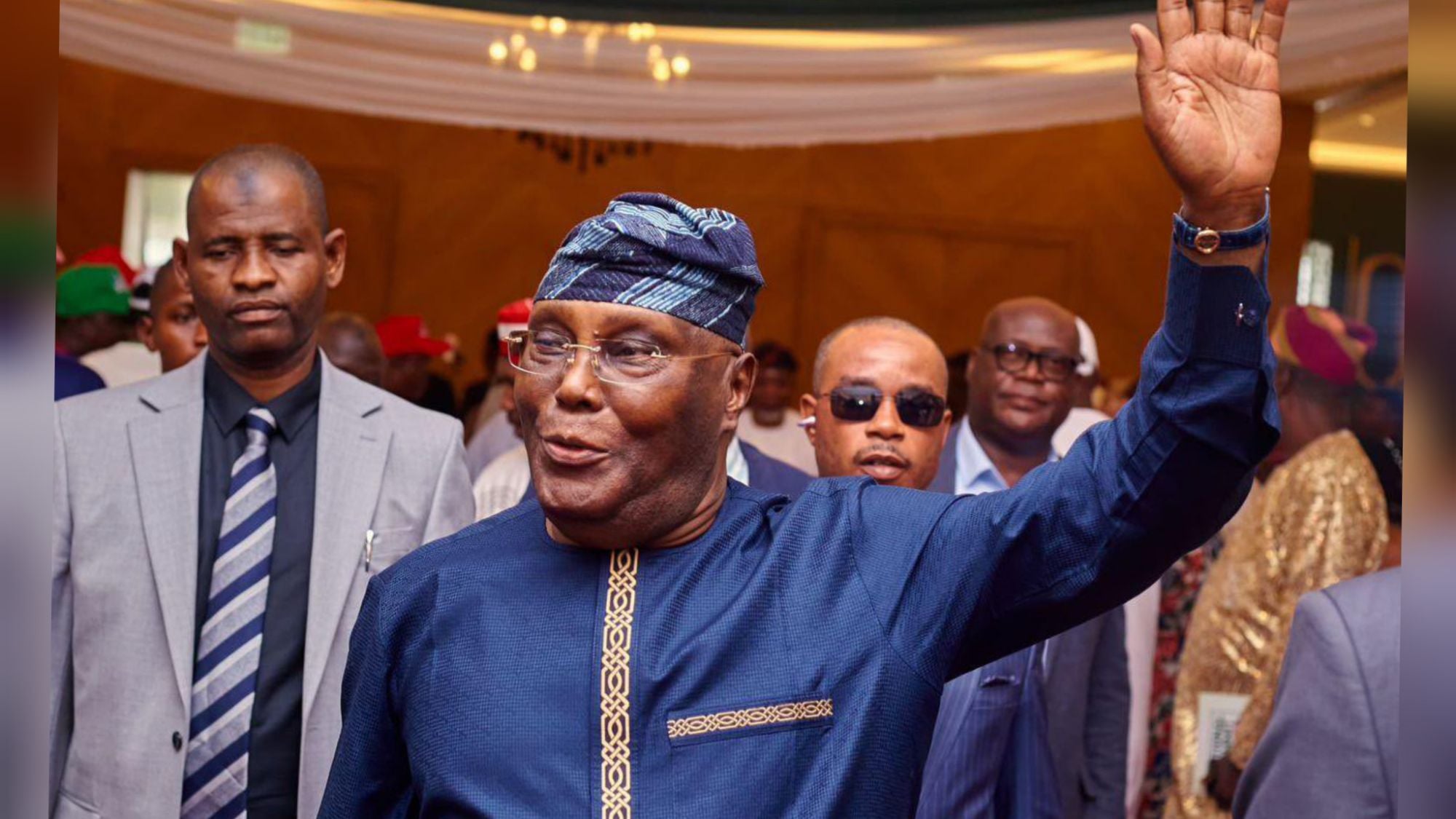
The statement also cited Section 39 of the Constitution, which guarantees freedom of expression, while acknowledging that Nigerians could disagree with Atiku’s manner of addressing the President.
“People may debate Atiku’s style. They may say they would have preferred ‘President Tinubu.’ That is their opinion,” the camp said.
“But let us not invent an offence where none exists.”
“Bola is his name. President is his office,” it added.
Keyamo had earlier criticised Atiku’s repeated use of Tinubu’s first name during a press conference and other public statements.
“The continuous reference to President Bola Ahmed Tinubu by His Excellency, ex-Vice-President Atiku Abubakar in his press conference earlier today as ‘Bola’ is very disrespectful and discourteous,” Keyamo said.
He added that “no matter your differences with Mr President”, the office of the President should be accorded the dignity it deserves.
Atiku’s October 1 message also contained several criticisms of the Tinubu administration’s economic policies. He faulted the removal of the petrol subsidy, saying Nigerians had not received adequate protection from the resulting economic pressures.
“Tinubu removed fuel subsidy without credible protection for the families who would bear the shock. He promised the savings would benefit Nigerians. Three years later, the pain has an address in every home,” Atiku said.
He compared minimum wage and petrol prices before and during the Tinubu administration, arguing that workers’ purchasing power had declined.
“In April 2023, a N30,000 minimum wage could buy about 118 litres of petrol. Today, N70,000 buys just 50 litres,” he said.
Atiku also raised concerns about Nigeria’s public debt, putting the debt stock at N166.79 trillion as of the end of June. He said any government he leads would demand greater transparency before taking on additional borrowing, including details of the projects being funded, their costs, beneficiaries and payments.
He also challenged the Federal Government to provide details of its promised reduction in transport fares.
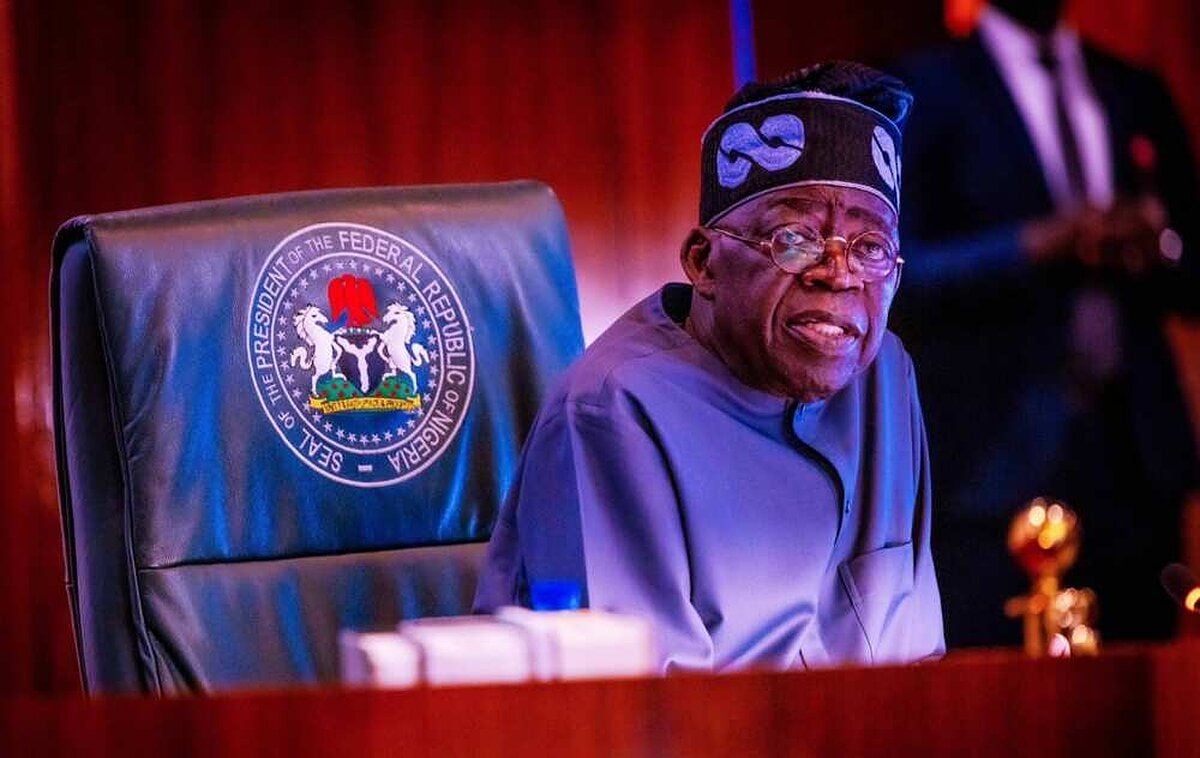
“Tinubu promised lower transport fares from October 1. Today is October 1. Publish the routes, the old and new fares, and the number of people benefiting. Nigerians cannot board an announcement,” he said.
Atiku said reducing the cost of food, fuel and electricity would be among his priorities if elected president in 2027. He also promised improvements in healthcare and education and said his administration would focus on restoring security in communities affected by violence.
The former Vice President further pledged to respect the independence of the Independent National Electoral Commission and support the prompt publication of results from every polling unit.