AFC Mining Indaba: BUA Chairman, Abdul Samad Rabiu, Calls for Shift from Extraction to Value Addition
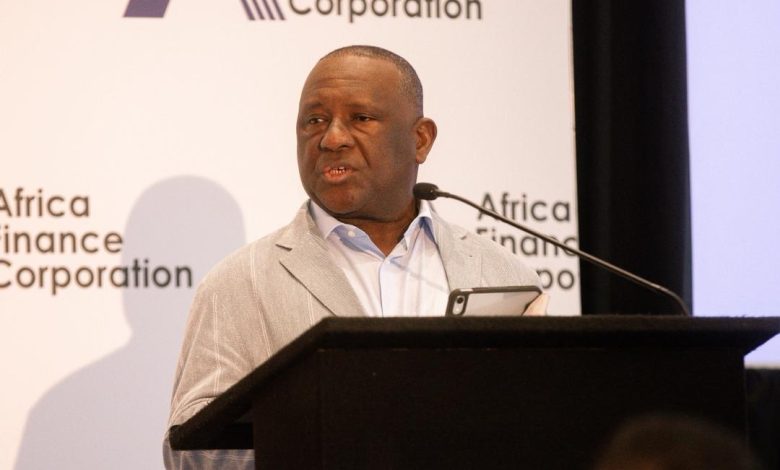
Founder and Executive Chairman of BUA Group, Abdul Samad Rabiu CFR CON, has called for a decisive shift in Africa’s development strategy, urging governments, financiers, and the private sector to move the continent from raw material extraction to large scale industrial processing and value addition.
Rabiu made the remarks as Special Guest of Honour at an Africa Finance Corporation forum during Mining Indaba 2026, where African leaders, policymakers, financiers, and industry executives gathered to discuss the future of mining, industrialisation, and real sector development on the continent.
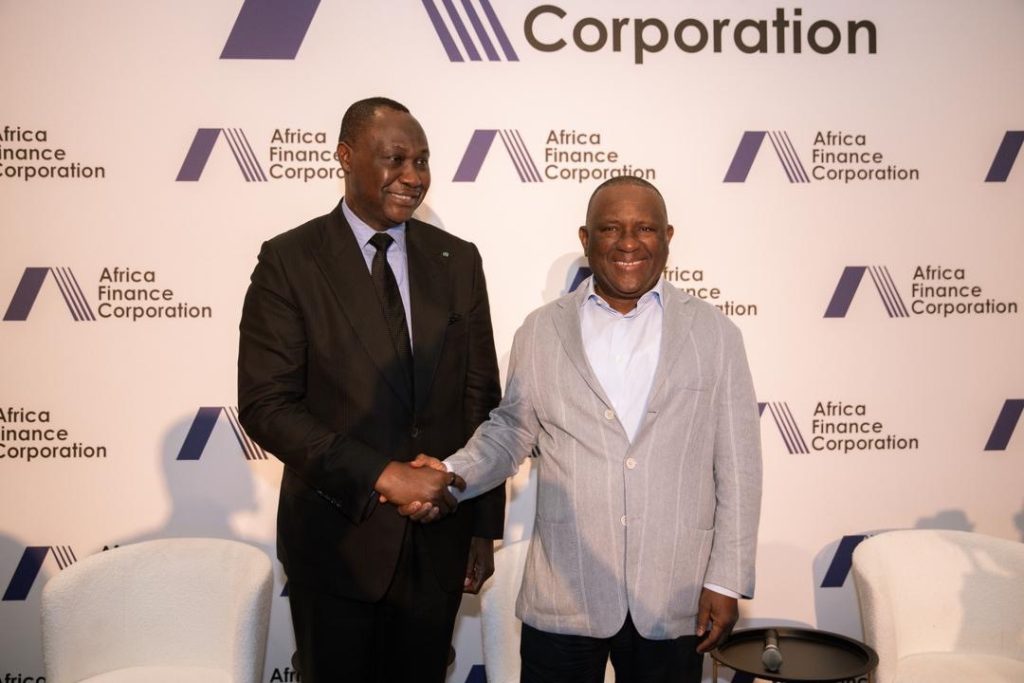
Commending AFC for its role in mobilising long term capital for Africa’s industrial sectors, Rabiu noted that the institution’s leadership and recent S&P Global rating with a positive outlook underscored the importance of strong development finance institutions in shaping Africa’s growth trajectory.
Drawing from BUA Group’s experience, he recounted the company’s decision over sixteen years ago to transition from cement importation to local production in Nigeria, despite the capital intensity and long gestation periods associated with mining and heavy industry.
“At the time, Nigeria was importing cement despite being richly endowed with limestone,” Rabiu said. “We were spending more time chasing foreign exchange than selling cement. The real question was not whether the resources existed, but whether there was enough conviction to stop importing and start producing locally.”
Today, he noted, BUA mines and processes about forty thousand tonnes of limestone daily, producing roughly one million tonnes of cement every month. That shift has helped Nigeria move from being a cement importer to a net exporter, saving the country billions of dollars in foreign exchange annually.
Rabiu stressed that such transformation would not have been possible without patient, long term financing from DFIs, particularly the Africa Finance Corporation, which has supported BUA’s cement and industrial operations with over four hundred million dollars in financing.
He added that a significant portion of those facilities has already been repaid, demonstrating that well structured African industrial projects are not only developmental but also commercially viable and recyclable.
Turning to the broader continental picture, Rabiu highlighted what he described as a structural paradox: Africa remains one of the world’s most resource rich regions, yet exports the bulk of its minerals and agricultural produce in raw or minimally processed form.
He cited examples across gold, cobalt, copper, iron ore, diamonds, and cocoa, noting that while Africa supplies much of the world’s raw inputs, it captures only a fraction of the value created downstream.
“Africa does not lack resources,” he said. “What it lacks is processing capacity, industrial scale, and disciplined execution.”
He argued that the same challenge extends beyond mining into agriculture, where Africa holds a majority of the world’s arable land yet continues to import billions of dollars’ worth of food annually.
Rabiu called for coordinated action among governments, DFIs, and the private sector, urging DFIs to scale long term financing targeted at beneficiation and industrial value chains, while governments adopt deliberate policies that incentivise local processing and invest in power, transport, and industrial infrastructure.
“Industrialisation does not happen by accident,” he said. “Countries that industrialised did so by design, not by chance. Africa must do the same.”
He concluded by stressing that Africa’s opportunity lies in aligning private enterprise, patient capital, and supportive policy to move the continent from extraction to transformation, and from potential to shared prosperity.