JUST IN: Senate Rules Out Real-Time Election Results, Says INEC Cannot Conduct E-Voting
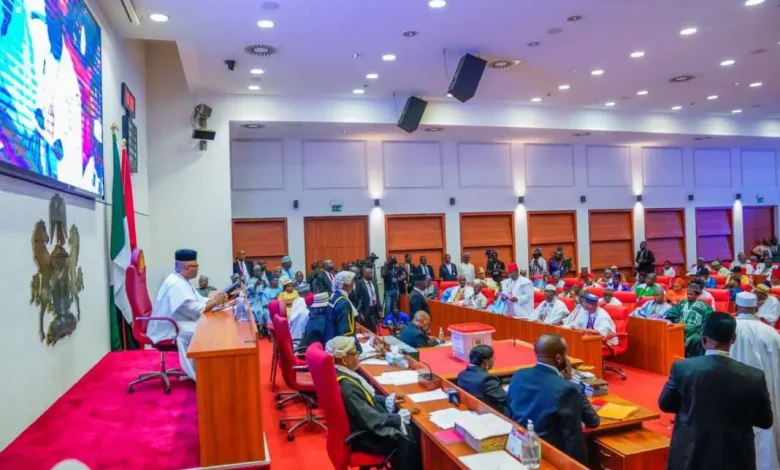
The Nigerian Senate has officially distanced itself from the possibility of implementing a full electronic voting system for the 2027 general elections.
The upper chamber clarified on Thursday that the Independent National Electoral Commission (INEC) currently lacks the technical infrastructure and logistical readiness to transition away from manual balloting.
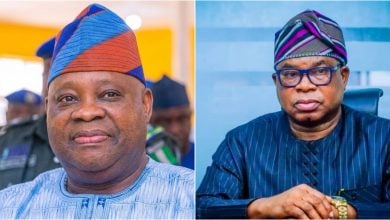
This clarification was led by Senator Adeniyi Adegbonmire, the Chairman of the Senate Ad-hoc Committee tasked with reviewing the 2026 Electoral Bill.
He noted that while the Senate supports the electronic transmission of results, the actual act of voting—casting and counting ballots—must remain a physical, manual process for the foreseeable future.
The Distinction Between E-Voting and IReV
Adegbonmire highlighted a significant public misconception regarding the INEC Result Viewing (IReV) portal.
He explained that IReV is merely a transparency tool designed to publicize results that have already been hand-counted and recorded at polling units.
“IReV is not an e-voting platform, but a platform where the election results that have been manually counted and declared at the polling units are uploaded and publicised,” the Senator stated.
He further argued that “real-time” transmission is technically impossible under the current manual system because results must first be physically documented on Form EC8A.
According to the lawmaker, the terminology—whether the law uses the word “transmit,” “transfer,” or “upload”—does not change the reality that manual counting remains the foundation of Nigeria’s electoral integrity.
This detailed explanation follows the Senate’s recent decision to bow to public outcry by formally approving the electronic transmission of results in the 2026 Electoral Bill.
However, the lawmakers included a “fallback” provision, allowing manual collation to take precedence if technological failures occur on election day.
The 12-member conference committee, recently expanded to ensure broader representation, is now working to harmonize these provisions with the version passed by the House of Representatives.
The goal is to present a unified bill for President Bola Tinubu’s assent by the end of February 2026.