Lagos Govt Bans ‘Korope’ Mini-Buses, Enforces Tough Bus Reform on Major Roads
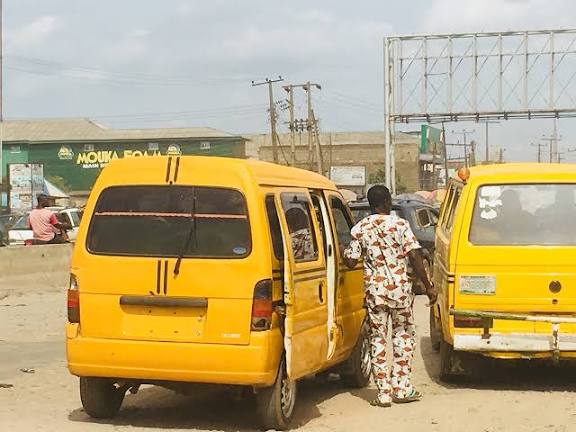
The Lagos State Government has moved to stop the operations of mini-buses, popularly called korope, on major corridors across the state.
The decision follows traffic disruptions on the CMS–Lekki–Epe Expressway that paralysed movement for hours earlier this week.
According to government officials, the blockage happened on Tuesday and Wednesday, despite prior engagements with transport operators.
Authorities described the action as a clear violation of agreements already reached with unions representing the drivers.
In a briefing issued by the Lagos State Ministry of Transportation, the government explained that consultations were held before the reforms were rolled out for the Lekki–Epe axis. Those talks involved the National Union of Road Transport Workers and the Road Transport Employers Association of Nigeria.
Speaking for the state, the Special Adviser on Transportation, Sola Giwa, said the protest weakens the Bus Reform Initiative, a programme designed to overhaul public transport on busy routes.
“The government has worked closely with all stakeholders to provide safe and efficient transportation for Lagos residents. We strongly encourage all operators to comply with the reform in the interest of commuters and the state,” Giwa said.
The reform plan, first outlined in 2024, focuses on replacing fragmented bus services with high-capacity vehicles. It also shifts korope buses to inner roads, introduces electronic ticketing, tightens route regulation, and improves security along the corridor.
At a stakeholders’ session held in June 2024, a formal framework was adopted by government officials and union leaders. A later meeting in December 2025 fixed December 8 as the take-off date for the first phase of the scheme.
That phase covers key routes including Ajah–CMS/Obalende, Ajah–Oshodi, Ajah–Berger, and Ajah–Iyana Ipaja. Under the arrangement, one operator runs express services while others provide regular stop services.
Only buses approved under the scheme are allowed on the corridor. They carry the state’s blue-and-white colours, QR-coded PTCS stickers, unique identification numbers, and Touch and Pay labels. Drivers must also wear official ministry badges.
The government said the measures are aimed at safer travel, better comfort, and stable fares. It warned that enforcement will be firm and continuous, adding that dialogue will continue but defiance will attract sanctions.