‘National Security is at Stake’ – Igbo Group Demands End to Sharia Law in Nigeria
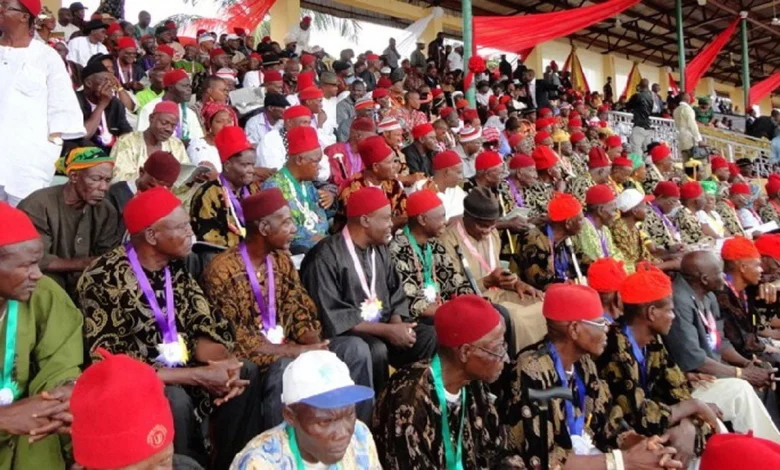
A pan Igbo socio-political organisation, the NDI Igbo Worldwide Union, has urged the Federal Government and the National Assembly to urgently address what it described as growing constitutional concerns over the coexistence of Sharia law and common law in Nigeria.
The group said the continued operation of parallel legal systems threatens national unity and raises serious questions about equality before the law.
It warned that failure to resolve the matter could deepen divisions and undermine public confidence in the country’s justice system.
“The time for ambiguity is over. Nigeria cannot continue to operate without clarity on how its legal systems function side by side. Two legal codes operating in parallel raise fundamental questions about national identity and equality under the law.
“Nigeria has a choice. The clock is ticking. History will remember who acted—and who failed. What we are calling for is clarity, fairness, and equality before the law,” the statement read.
The organisation stressed that its position was not rooted in hostility but in the need for constitutional order and security.
It said it is seeking peaceful and lawful approaches to resolving the issue, adding that lessons from international history support the need for safe and structured solutions for all groups within the federation.
It added, “We are not asking for confrontation. We are demanding clarity and equality under the law. The safety and constitutional rights of all citizens must be guaranteed.”
The group further noted that any reform process must follow democratic principles, open dialogue, and respect for Nigeria’s diverse religious and cultural identities.
It argued that long-term peace can only be achieved through fairness, inclusion, and strict adherence to the rule of law.
Nigeria currently operates a plural legal system under the 1999 Constitution, which recognises common law, customary law, and Sharia law.
Traditionally, Sharia courts handled personal matters such as marriage, inheritance, and family disputes among Muslims.
However, beginning in 1999, several northern states expanded Sharia to cover criminal matters. This move has continued to generate controversy over its compatibility with constitutional guarantees of human rights and equal treatment for all citizens.
The union maintained that the expansion of Sharia criminal jurisdiction has created legal uncertainty and increased fears about selective justice and unequal protection under the law.