FCT Residents Lament Rising Transport Fares After Petrol Price Hike
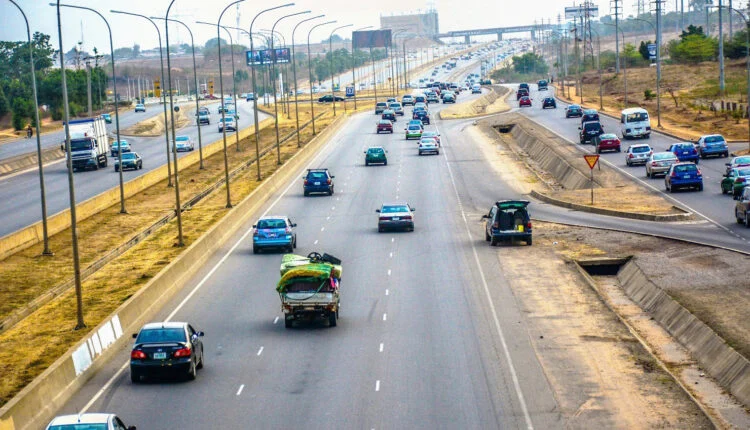
Residents of the Federal Capital Territory have raised concerns over rising transport fares following the recent increase in the pump price of petrol across the country.
According to reports, petrol, previously sold between ₦835 and ₦875 in the FCT, is now being sold for between ₦1,200 and ₦1,350 per litre.
Following the price increase, transport fares in many parts of the city have risen by about 100 per cent.
Some commuters who spoke with NAN on Friday said commercial vehicle operators had already adjusted their fares upward, warning that the development could further worsen the cost of living.
Mrs Ngozi Okeke, a civil servant in Garki, said the fare from Nyanya to the city centre had increased within days of the fuel price adjustment.
“Last week, I paid ₦800 to work, but today I paid ₦1,000. It may look small, but when you calculate it for the whole week, it is a lot,” she said.
Another passenger, Theresa Godspower, said she paid ₦700 from Nyanya to the Federal Secretariat, instead of the ₦500 she previously paid.
A commuter, Mr Musa Abdullahi, also told NAN that he paid ₦1,200 from Masaka to the city centre, compared to the ₦700 he used to pay.
Mr Godwin Ameh said the fare from Lugbe to Wuse increased from ₦800 to ₦1,000, adding that some drivers were charging as much as ₦1,200.
Mr Amos Badifu, a public servant, noted that increases in transport fares often lead to higher food prices in markets.
“Whenever fuel goes up, transporters increase fares and traders also raise the cost of food items because of transportation.
“The fare from Kuje to Berger has increased from ₦1,300 to ₦1,500, and even motorcycle fares have also gone up.
“I know that before next week, prices of some major food items will have increased, as many sellers often look for reasons to raise the cost of their goods,” he said.
A taxi driver, Mr John Eze, said operators had little choice but to increase fares in order to remain in business.
“Yesterday, I bought fuel at ₦1,250 per litre, but today it is ₦1,350. We have to adjust fares or we will run at a loss,” he said.
NAN also observed that fewer vehicles were seen on some major roads in the city as many vehicle owners began to feel the impact of the fuel price increase.
An economist, Dr Ibrahim Sule, explained that increases in fuel prices often have a ripple effect across the economy, particularly on transportation and food supply.
According to him, transportation costs form a significant component of the price of goods in Nigeria, especially food transported from rural areas to urban markets.
“When fuel prices rise, transport costs increase, and traders usually pass the additional cost to consumers. This is why people fear food inflation may follow,” he said.
Sule advised the government to strengthen social protection programmes and improve mass transit systems to cushion the impact on residents.
He also called for greater investment in alternative transport systems to reduce the country’s heavy dependence on petrol-powered mobility.