Tinubu Govt Increases 2026 Borrowing Plan to N29tn, Seeks Fresh Loans
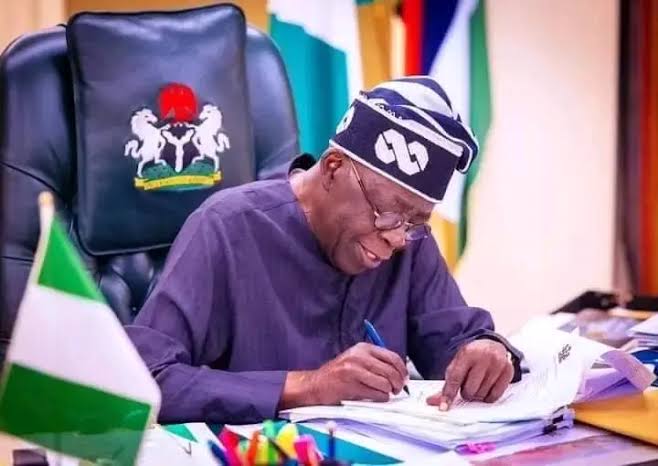
The Federal Government has increased its borrowing plan for 2026 to N29.20tn, following a significant expansion of the proposed national budget.
The new figure marks a sharp rise from the earlier projection of N17.89tn, reflecting growing fiscal pressure and higher spending targets.
The revised borrowing plan is captured in the 2026 Appropriation Bill already approved by the National Assembly.
It shows that Nigeria’s total spending is now estimated at N68.32tn, while projected revenue stands at N36.87tn. This leaves a deficit of about N31.46tn, which the government plans to largely finance through borrowing.
Details of the budget indicate that debt financing will dominate the funding structure. Other sources such as asset sales and privatisation are expected to contribute just N189.16bn, while multilateral and bilateral loans tied to specific projects will bring in about N2.05tn.
The updated figures highlight a major jump from earlier estimates released in December 2025. At that time, the government projected a deficit of N20.12tn.
The latest adjustment shows both the deficit and borrowing needs have risen sharply within a few months.
On the revenue side, the Federal Government expects inflows from multiple sources. This includes N25.92tn from federation revenues, N4.31tn from independent revenues, and N5.85tn from government-owned enterprises. Additional funds are projected from grants, aid, and special accounts.
Despite these earnings, expenditure continues to outweigh revenue. Debt servicing alone is projected at N15.81tn, making it one of the largest components of the budget. Recurrent spending is estimated at N15.43tn, while capital expenditure stands at N32.29tn. Statutory transfers are put at N4.80tn.
The increase in borrowing comes after President Bola Tinubu requested an additional N9.09tn in the 2026 budget.
Lawmakers approved the expansion, citing the need to fund infrastructure, clear outstanding obligations, strengthen key sectors, and prepare for future national projects.
To support the new budget size, the government is also banking on improved oil revenue and increased tax contributions from the telecommunications sector. However, these measures are still not enough to cover the widening gap.
However, the decision to take on more loans has drawn criticism from opposition figures and economic experts.
Former Vice President Atiku Abubakar described the move as “not just troubling but alarming,” warning that excessive borrowing could endanger the country’s future.