‘Where Are EFCC and ICPC?’ – INEC Accused of Taking $50,000 Bribe and Land to Remove ADC Leaders
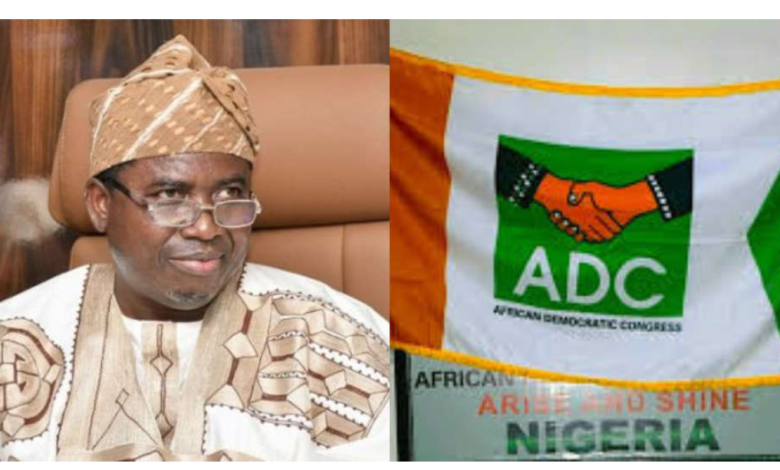
A fresh controversy has hit Nigeria’s electoral space following allegations that officials of the Independent National Electoral Commission (INEC) were bribed with as much as $50,000 and parcels of land to influence leadership changes within the African Democratic Congress (ADC).
The accusation was made by ADC chieftain, Aisha Yesufu, who raised serious concerns over the integrity of the electoral body and the silence of anti-corruption agencies.
Politics Nigeria reports that the dispute comes shortly after INEC derecognised former Senate President, David Mark, as the national chairman of the party, alongside former Osun State Governor, Rauf Aregbesola, as the national secretary.
She said, “There are reports that INEC officials were allegedly bribed with monies up to $50,000, and lands were given. Where is the EFCC and ICPC in all of this?”
Her remarks have since sparked debate, especially as she questioned why key anti-graft agencies have not stepped in to probe the claims.
Yesufu also hinted that there were reports suggesting that the INEC Chairman may have acted under pressure. According to her, such developments raise serious concerns about the independence of institutions meant to protect Nigeria’s democracy.
Beyond INEC, she extended her criticism to the judiciary. She warned that the system is gradually losing public trust due to perceived compromise and political interference.
“The judiciary has turned itself into a place of corrupt politicians. And that’s not what it should be. You’re having places where houses are being built for them, where all sorts of meetings are going on and stuff like that. Then that’s what worries every one of us,” she said.
She stressed that democratic institutions must remain neutral and independent. According to her, the absence of transparency and accountability creates room for manipulation and abuse of power.
“My thinking is that one institution should be independent, and if you have institutions that are independent, not the one that you’re hearing people being threatened,” she added.
Yesufu further argued that the proper place to resolve political disputes remains the court. However, she expressed concern that even the judiciary is now being seen as a tool used against opposition parties.
“If there is independence, if there’s accountability, transparency, we don’t have all of these shenanigans going on,” she stated.
She continued, “Let’s all go to court and have whatever it is there, but when you see the institutions, and also the judiciary, have turned themselves into weapon of oppression, willing tool of oppression against opposition parties, then that’s something that worries us, and the democracy of our country.”
The activist also reminded Nigerians of the sacrifices made to achieve democratic governance, warning that such gains must not be undermined by political interests.
“This democracy, by the way, many people died for it for us to have what we have today, and we cannot have a few people come and destroy it just because they want to hang on to power that they are not deserving of,” she said.
As of the time of filing this report, INEC has not issued any official response to the bribery allegations. Similarly, both the EFCC and ICPC are yet to publicly react or confirm whether any investigation has been initiated.