JUST IN: FG Withdraws Passports Of Nigerians Who Renounced Their Citizenship
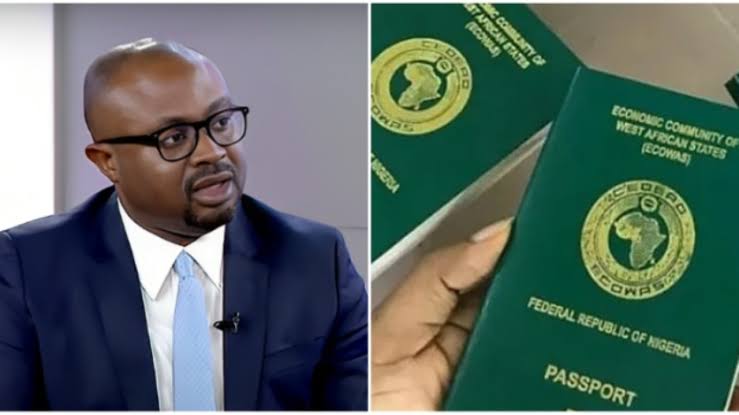
The Federal Government has ordered the immediate withdrawal and deactivation of Nigerian passports held by citizens who have officially renounced their nationality.
The directive marks a fresh move by authorities to tighten control over national identity documents and reinforce the country’s citizenship laws.
Politics Nigeria reports that the Minister of Interior, Olubunmi Tunji-Ojo, gave the order on Saturday.
He instructed the Nigeria Immigration Service (NIS) to act on all cases where renunciation of citizenship has been formally completed and approved by the President. The announcement was conveyed through his media aide, Alao Babatunde.
According to the minister, the decision only affects individuals whose applications to renounce Nigerian citizenship have gone through due process and received presidential approval.
He stressed that once such approval is granted, the affected persons are no longer recognised as Nigerian citizens under the law.
He added that holding a Nigerian passport is a privilege strictly reserved for citizens. As such, anyone who has legally given up that status automatically loses the right to possess any sovereign document issued by the country.
The minister noted that the directive forms part of ongoing reforms within Nigeria’s passport and visa systems. He said the government is focused on strengthening border control, improving identity management, and preventing misuse of official documents.
“We will continue to strengthen systems that secure Nigeria’s borders, prevent identity fraud, preserve the sanctity of Nigerian citizenship, and facilitate legitimate travel while preventing unauthorized or ineligible access,” the minister said.