US Lawmaker Accuses Nigerian Security Forces of Enabling Attacks on Christians
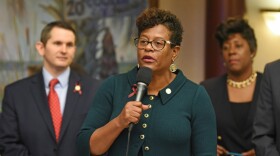
A United States lawmaker, Kimberly Daniels, has released a scathing assessment accusing elements within Nigeria’s security architecture of allegedly enabling attacks on Christian communities.
The report specifically highlights the escalating violence in the country’s North-Central and North-West regions, where worshippers have faced targeted assaults.
Daniels, a member of the Florida House of Representatives and Chairwoman of the United World Congress of Diplomats, issued the document on April 14, 2026.
The timing follows a series of deadly attacks that occurred during the Easter celebrations across Plateau, Kaduna, and Nasarawa states.
The lawmaker pointed out that the deliberate targeting of church services on Palm Sunday and Easter Sunday suggests a coordinated pattern rather than random violence.
According to Daniels, the current situation is dire. She said, “What we are seeing is a brutal surge in violence that specifically targets religious congregations during their most sacred moments of worship.”
She further noted that despite public condemnations from President Bola Ahmed Tinubu’s administration, there is a visible gap between the government’s rhetoric and the security reality on the ground.
The report features harrowing testimonies from survivors and local residents who feel completely vulnerable. One account cited in the document reads, “We hear statements from Abuja, but here, we bury our loved ones almost every week. There is no protection.” Daniels emphasized that these voices indicate a total collapse of public confidence in the state’s ability to provide safety.
A significant portion of the controversy in the report centers on the Minister of State for Defence, Bello Matawalle. The document raises concerns regarding his credibility, referencing allegations that date back to his time as the Governor of Zamfara State.
These claims include accusations of complicity with armed bandits and the facilitation of ransom payments. Daniels insisted that these issues cannot be ignored if Nigeria is to effectively combat insecurity.
“When those entrusted with national security are themselves subjects of serious allegations, public trust erodes, and the fight against terrorism becomes dangerously compromised,” she stated. The assessment suggests that a lack of specialized expertise and inconsistent leadership within the security sector are hindering the fight against banditry and insurgency.
Daniels shared that her intervention was prompted by direct pleas from Nigerians living in terror. “The position I take on this issue is because of citizens reaching out to me from Nigeria,” she said. She described the trauma of “homegrown terror,” noting that “the greatest form of terrorism a person can experience is terror that comes from homegrown familiar enemies.” She added, “When the people you trust to protect you work undercover with those who want to harm you, it must be devastating.”
Framing the crisis as a matter of religious persecution, Daniels lamented that “my brothers and sisters in Nigeria are being martyred simply because they gather to worship Jesus. Meanwhile, many Americans do not fully understand how precious religious liberty is and the protections that come with it.”
The report concludes by calling on President Tinubu to perform a thorough internal reform of the nation’s security leadership. Daniels also urged the international community, particularly the United States, to apply diplomatic pressure. She reminded the global community of Nigeria’s status as a Country of Particular Concern regarding religious freedom.
Reflecting the urgency of the situation, the report quoted a community leader who said, “We don’t need more speeches. We need protection. We need justice.” Daniels warned that continued silence would only embolden the perpetrators of these crimes.