
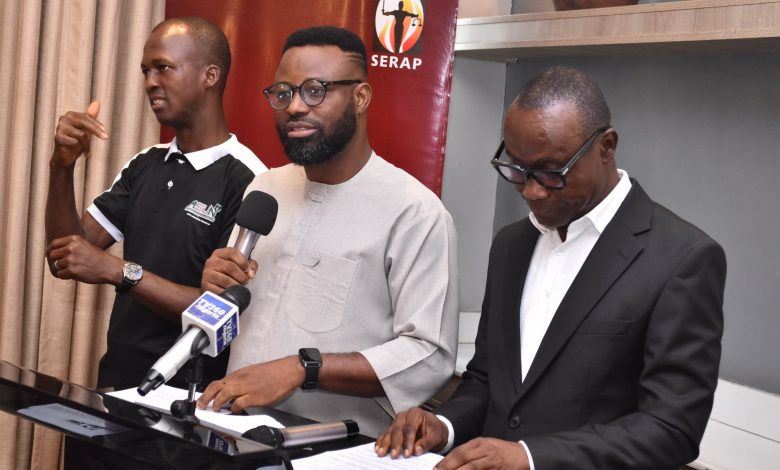
The Socio-Economic Rights and Accountability Project (SERAP) says it has filed a lawsuit against Nigeria’s 36 state governors and FCT Minister, Nyesom Wike, over their alleged failure to account for the spending of ₦14 trillion realised from fuel subsidy savings.
SERAP said the suit was filed following reports that the governors and the FCT minister have collected trillions of naira from federation account allocation committee (FAAC) disbursements as fuel subsidy savings since mid-2023.
The organisation said the increased allocations have not translated into improved access to quality healthcare and education for poor and vulnerable Nigerians.
In a statement on Friday, SERAP said Nigerians have a right to know how public funds, including fuel subsidy savings, are being spent by the governors and the FCT minister.
“We’ve filed a lawsuit against Nigeria’s governors and the Minister of the Federal Capital Territory, Abuja, Mr Nyesom Wike over their failure to account for the spending of the ₦14trn fuel subsidy savings they collected from FAAC allocations,” SERAP said.
SERAP said the constitutional principle of democracy provides the basis for Nigerians’ right to know how public funds are spent.
“Citizens’ right to know promotes openness, transparency, and accountability that is in turn crucial for the country’s democratic order,” the organisation said.
SERAP said there is a legitimate public interest for the governors and the FCT minister to urgently explain how they have spent the subsidy savings so far collected.
The organisation warned that opacity in the spending of the increased FAAC allocations would continue to harm the fundamental interests of citizens.
“Opacity in the spending of the increased FAAC allocations from fuel subsidy savings collected by the governors and Mr Wike would continue to have negative impacts on the fundamental interests of the citizens,” SERAP said.
The group said the savings from the removal of fuel subsidy should be spent solely for the benefit of poor and vulnerable Nigerians bearing the brunt of the policy.
“The savings from the removal of fuel subsidy ought to be spent solely for the benefit of the poor and vulnerable Nigerians,” it said.
SERAP added that transparency would help prevent what it described as a “morally repugnant result of double jeopardy” for Nigerians affected by the subsidy removal.
