
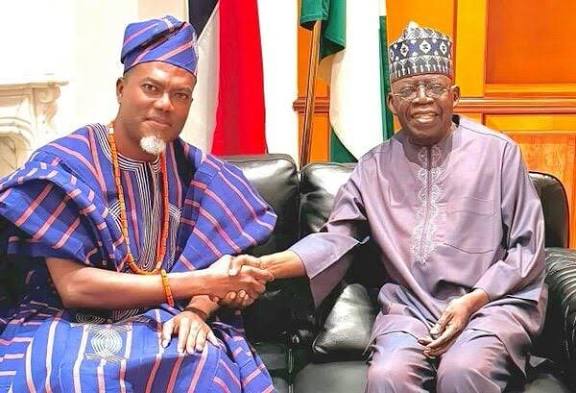
Former presidential aide and ambassador nominee, Reno Omokri, has released a fresh list of what he described as major economic breakthroughs recorded under President Bola Ahmed Tinubu.
The commentary, which he shared on his X page on Tuesday, has sparked a new round of debate on the state of the nation’s economy, with supporters and critics reacting to the figures and projections highlighted.
Omokri said the country had made significant progress across various sectors, ranging from oil production to trade balance, foreign reserves, the stock market, and nationwide infrastructure upgrades.
According to him, the achievements reflect what he believes is a clear shift toward economic recovery and stability.
The former presidential aide listed 21 economic milestones, presenting them as evidence of what he called strong policy direction by the Tinubu administration.
His breakdown covered foreign exchange stability, improved revenue performance, improved investor confidence, and major improvements in the aviation, rail, and road transport sectors.
In his words:
1. Stronger Foreign Reserves
Nigeria’s foreign reserves have crossed the $45 billion mark for the first time in six years, now ranking as the fourth-highest on the African continent.
2. Robust GDP Growth
Prudent management of reserves has contributed to a 3.93% GDP growth in the most recent quarter, following a 4.23% growth in the previous quarter (Q2, 2025).
3. Energy Independence
Within two years, Nigeria transitioned from being Africa’s largest petrol importer to West Africa’s largest exporter.
4. OPEC Production Surplus
For the first time in over a decade, Nigeria has exceeded its OPEC quota for three consecutive months, averaging 1.71 million barrels per day.
5. Expanded International Flights
President Tinubu facilitated direct flights for Nigerian airlines to major global destinations, including London, São Paulo, Bogotá, Entebbe, Dar es Salaam, Algiers, and St. Kitts and Nevis.
6. Reduction in Oil Theft
Oil theft has dropped to less than 10,000 barrels per day, marking a sixteen-year low.
7. Revenue Targets Achieved
Nigeria achieved its full-year revenue target by August, a first in its history.
8. Stock Market Growth
The Nigerian Stock Exchange rose above 130,000 All Share Index points for the first time.
9. GDP Expansion
The economy expanded by $67 billion in just two years, growing from ₦269.29 trillion in May 2023 to ₦372.8 trillion today.
10. Non-Oil Revenue Growth
Between January and August 2025, non-oil tax revenue rose 40.5% to ₦20.59 trillion, compared to ₦14.6 trillion in the same period in 2024.
11. Record Corporate Valuation
MTN Nigeria Limited hit a record ₦10 trillion valuation, the first Nigerian company to reach this milestone.
12. Falling Inflation
Food prices have dropped significantly, reducing inflation to 16.05% from 20.12% in August 2025.
13. Lower Fuel Prices
Retailers, including Dangote, have reduced fuel prices below ₦1,000.
14. Naira Stability
The Naira has stabilized below ₦1,500 to the US dollar, making it one of the world’s best-performing currencies, according to Fitch Ratings.
15. Record Power Generation
Nigeria broke its power generation record with a peak of 5,801.84MW and maximum daily energy output of 128,370.75 MWh.
16. Trade Surplus Growth
Nigeria’s trade surplus rose 44.3% in Q2 2025 to ₦7.46 trillion, surpassing Q1’s ₦5.17 trillion.
17. Lower Interest Rates
The Central Bank of Nigeria reduced interest rates by 50 basis points to 27%, the first cut since the COVID-19 pandemic.
18. Global Economic Recognition
Fitch and S&P Global Ratings upgraded Nigeria’s economy to a Stable B rating.
19. Expert Endorsement
Economists, including Dr. Ngozi Okonjo-Iweala and Dr. Chukwuma Soludo, confirmed that President Tinubu has stabilized Nigeria’s economy.
20. Rail Transport Growth
Rail transport expanded by 43.08% in Q2 2025.
21. Road Infrastructure Expansion
Road transport grew by 24.50%, driven by ongoing mega-projects like the ₦13 trillion Illela-Sokoto-Badagry Superhighway and ₦15 trillion Lagos-Calabar Coastal Highway.”
Omokri noted that many of these improvements were the result of reforms implemented within the last two years.
He argued that the gains show that the government’s economic direction is yielding results, especially in sectors long considered problematic.
His post has since generated wide engagement, with analysts, party supporters, and critics picking apart the figures and what they represent for ordinary Nigerians.
While some Nigerians welcomed the progress mentioned, others questioned whether the impact is being felt at the grassroots.

WHAT A BUNCH OF HOKUM.