Nigeria better positioned to tackle Almajiri – FG insists
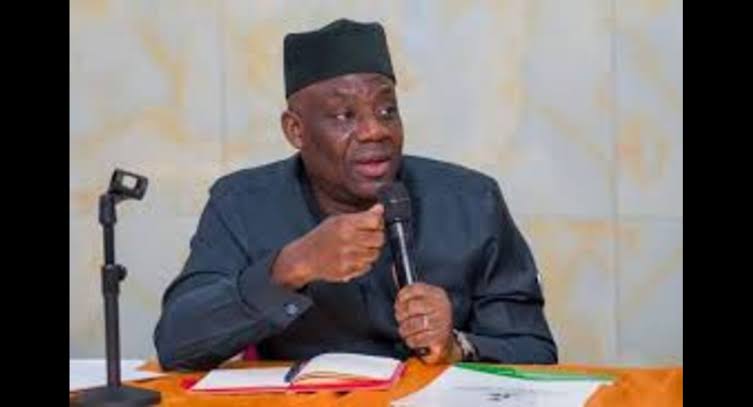
Dr. Tunji Alausa, minister of education, has stated that Nigeria is now better positioned to decisively confront the longstanding challenge of Almajiri and out-of-school children across the country.
Alausa spoke on Sunday while addressing the Committee of States Commissioners of Education in Nigeria (COSCEN) during a peer-learning webinar aimed at advancing coordinated education reforms nationwide.
The minister described the initiative as timely and aligned with national education priorities, noting that stronger collaboration between the federal and sub-national governments remains critical to sustainably reducing the number of out-of-school children.
“Reducing out-of-school children requires shared accountability, harmonised implementation frameworks, and evidence-based planning across all tiers of government,” he said.
Nigeria has one of the highest numbers of out-of-school children globally, with previous international estimates placing the figure in the millions, particularly in northern states where the Almajiri system is prevalent.
The Almajiri system, historically rooted in Islamic education, has over time been associated with street begging and child vulnerability due to weak regulation and limited integration into formal education structures.
Alausa attributed the improved outlook to the establishment of the National Commission for Almajiri and Out-of-School Children Education.
He described the commission as a strategic institutional response to a decades-long challenge.
He said Muhammad Sani Idris, executive secretary of the commission, brings lived experience and administrative capacity to the role, having risen from an Almajiri background to earn a PhD and previously serving as commissioner for education in Yobe.
His words: “Today, the issue of Almajiri and out-of-school children—the work starts in the states—and I am happy with the renewed interest we are seeing in each of our states in putting strategies together to tackle the burden.
“Today, the country is better positioned to manage and aggressively tackle this problem once and for all in a very strategic, futuristic, and sustainable manner.”