Nigeria Can Still Borrow More Than Egypt, South Africa — Presidency Defends Rising Debt
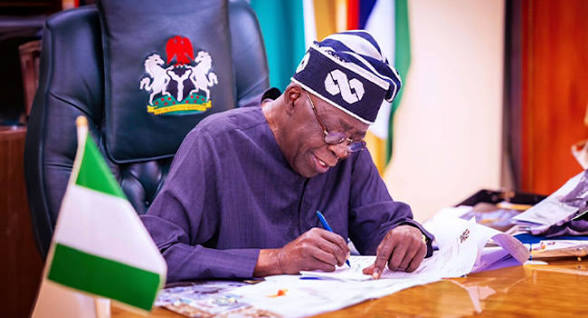
The Presidency has defended Nigeria’s rising debt profile, insisting that the country still has strong borrowing capacity despite growing public concerns over external and domestic loans.
The Federal Government maintained that Nigeria is not overburdened by debt when compared with several other major African economies.
Politics Nigeria reports that the Special Adviser to President Bola Ahmed Tinubu on Information and Strategy, Bayo Onanuga, made the clarification while reacting to ongoing criticism of the administration’s borrowing pattern.
His comments were shared on his official X handle, where he addressed concerns raised by Nigerians over the country’s debt trajectory.
Onanuga argued that Nigeria still maintains fiscal space to access more credit for development purposes, especially for infrastructure financing.
He also dismissed fears that the country is approaching a dangerous debt threshold, insisting that such claims are not supported by comparative economic data.
“Nigeria has not over borrowed compared to countries like Egypt, South Africa and West African country of Senegal,” Onanuga wrote.
He further stated that Nigeria’s economic position still makes it eligible for additional financing from international lenders and development partners.
According to him, borrowing remains a necessary tool for funding key sectors of the economy, particularly infrastructure and social development projects.
“The unwarranted alarm against loans is symptomatic of economic and financial ignorance.”
The presidential aide was responding to a post by an X user identified as Akinwumi, who compared Nigeria’s debt metrics with those of Egypt and South Africa. The comparison sought to highlight that Nigeria’s debt situation remains relatively lower in proportion to its economic size.
In the comparison shared online, Egypt was said to have a total debt exceeding $400 billion against a GDP of about $390 billion, placing it above the 100 percent debt-to-GDP threshold. South Africa was also listed as having a debt stock of about $580 billion with a GDP estimated at $420 billion, resulting in a debt-to-GDP ratio of roughly 135 percent.
Nigeria, on the other hand, was presented as having a total public debt of about $110 billion with a GDP estimated at $340 billion. This puts the country’s debt-to-GDP ratio at approximately 35 percent, which supporters of the government argue is still within a manageable range compared to peers.
“Yet some people keep shouting that Nigeria is the ‘loan capital of the world,’”
Since President Tinubu assumed office in May 2023, his administration has pursued multiple borrowing plans, both locally and internationally. These include funding requests from global institutions such as the World Bank and the African Development Bank, alongside increased issuance of domestic bonds and treasury bills.
Government officials have consistently defended the borrowing strategy, arguing that it is necessary to bridge infrastructure gaps, stabilize key sectors, and support budget implementation.
However, critics argue that the rising debt stock, combined with declining revenue performance, could deepen fiscal pressure in the coming years. Concerns have also been raised about the growing cost of debt servicing, which continues to take a significant share of government earnings.