Obasanjo Behind Obi-Kwankwaso Ticket – Former Adviser Reveals
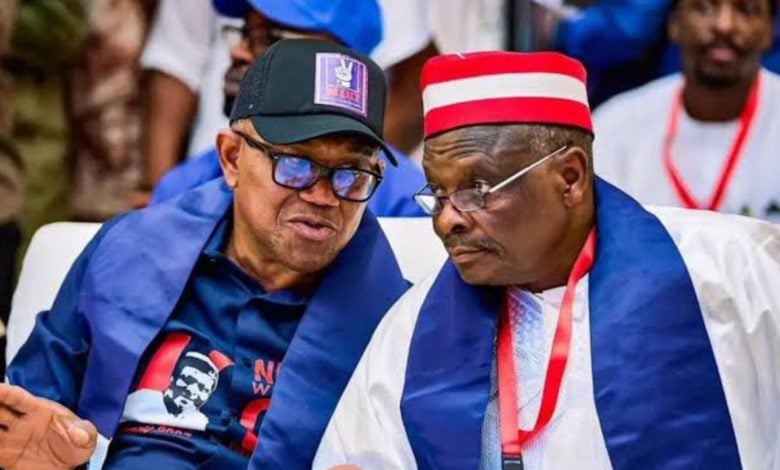
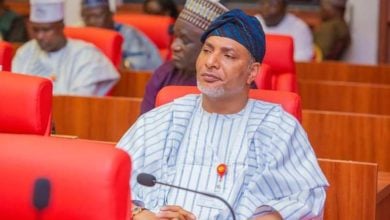
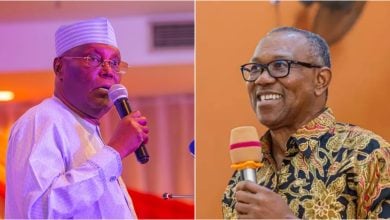
Former Political Adviser to ex-President Olusegun Obasanjo, Akin Osuntokun, has claimed that the former Nigerian leader brokered the alliance between Peter Obi and Rabiu Kwankwaso and remains the principal force behind their joint presidential ticket for the 2027 election.
Osuntokun made the disclosure during an interview on Arise Television on Sunday while dismissing suggestions that Obasanjo was secretly working for President Bola Tinubu.
He argued that such claims were inconsistent with the former president’s political actions, insisting that Obasanjo had instead played a leading role in bringing Obi and Kwankwaso together.
According to him, Obasanjo personally facilitated discussions between the two opposition leaders because both men are close to him and believed the alliance would present a good challenge in the 2027 presidential election.
“If you can say that Obasanjo is supporting any ticket, it is the Peter Obi–Kwankwaso ticket. As a matter of fact, he is the principal sponsor of that ticket,” Osuntokun said.
He maintained that allegations linking Obasanjo with Tinubu’s political camp lacked logic, especially considering the former president’s alleged involvement in putting the opposition ticket together.
“So how do you then suggest that he is secretly working for Tinubu? It does not make sense to me.
“I think that claim is absolute bunkum. The evidence is in the public domain. Obasanjo is playing a major role in supporting the Obi-Kwankwaso ticket. He was the one who brought the two men together,” he added.
Osuntokun also revealed that an alliance between Obi and Kwankwaso could have happened before now, saying discussions had taken place several years earlier.
“Kwankwaso could have teamed up with Obi four years ago. I remember him saying that if they had agreed then, they would probably have had an arrangement in which they would each spend one term in office, and Kwankwaso would now have been the beneficiary,” he said.
He stressed that Obasanjo’s role in the alliance was already public knowledge and questioned why anyone would conclude that the former president was supporting Tinubu simply because the president visited him in 2023.
“That is what I know, and it is already public knowledge. I do not understand how anyone can reconcile Obasanjo being the major sponsor of the Obi-Kwankwaso ticket with the theory that he is working for Tinubu simply because Tinubu visited him in 2023.”
When asked to confirm whether Obasanjo actually brokered the ticket, Osuntokun stood by his remarks.
“Yes, of course. That’s what I said. He brokered the ticket between Obi and Kwankwaso. Both of them are quite close to him. It is a ticket that makes sense and has the potential to make a significant impact in the 2027 election. I can tell you for free that he was the one who brought the ticket together.”
Osuntokun also rejected claims that former President Obasanjo manipulated the 2003 elections to undermine Alliance for Democracy (AD) governors in the South-West.
He said conspiracy theories surrounding that election ignored the political realities at the time, insisting there were logical reasons why the AD governors lost.
“I was very active during that period and I can say categorically that nothing of that sort happened. The election in which the AD governors lost can be explained state by state,” he said.
The latest comments come weeks after the emergence of the Obi-Kwankwaso ticket under the National Democratic Congress (NDC), a development that has reshaped political calculations ahead of the 2027 presidential election.
Political observers believe the alliance combines Obi’s strong support among young voters, professionals and urban residents with Kwankwaso’s influence through the Kwankwasiyya Movement in Kano and parts of northern Nigeria.
Supporters of the ticket argue that the partnership gives the NDC a broader national appeal by bringing together a South-East Christian and a North-West Muslim, while also reducing the fragmentation of opposition votes.
However, analysts have also pointed to major challenges facing the alliance, including the organisational strength of the ruling All Progressives Congress (APC), the political influence of the African Democratic Congress (ADC), and questions over whether the combined support bases of both candidates will translate into electoral victory in 2027.