
Nigeria’s Inflation Slows to 15.43% as Food Prices Climb in July
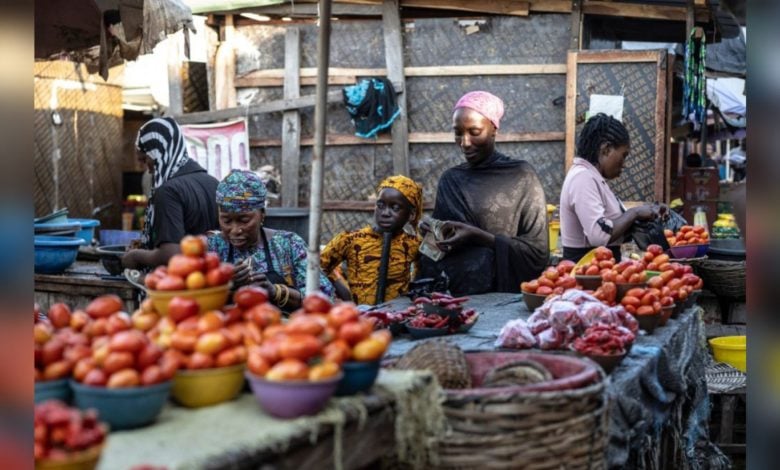
Nigeria’s headline inflation rate slowed to 15.43 percent in July 2026, from 15.91 percent in June, even as food inflation increased to 20.31 percent during the month, according to the latest report by the National Bureau of Statistics (NBS).
The headline figure also represents a sharp decline from the 24.94 percent recorded in July 2025.
The NBS attributed the increase in food inflation to changes in the average prices of several food items, including crayfish, fresh pepper, fresh onions, fresh carrots, rice, water yam, fresh tomatoes, garri, plantain, beef, eggs, guinea corn, ginger and plantain flour, among others.
According to the report published on Monday, food inflation stood at 20.31 percent in July 2026, up from 17.52 percent recorded in June.
Despite the monthly increase, food inflation remained lower on a year-on-year basis compared with the 26.20 percent recorded in July 2025.
Adamawa records highest food inflation
An analysis of the NBS report showed wide variations in food inflation across states.
On a year-on-year basis, Adamawa recorded the highest food inflation at 51.36 percent, followed by Katsina at 30.84 percent and Zamfara at 30.65 percent.
Borno recorded a negative rate of -0.31 percent, while Nasarawa at 6.88 percent and Kebbi at 12.50 percent recorded the slowest increases in food inflation.
On a month-on-month basis, Adamawa also recorded the highest food inflation at 17.02 percent, followed by Lagos at 13.48 percent and Borno at 13.26 percent.
Jigawa, with -3.60 percent, Kebbi, with -3.67 percent, and Bauchi, with -1.85 percent, recorded the lowest month-on-month food inflation rates.
Core inflation drops further
The NBS said core inflation, which excludes volatile agricultural produce and energy prices, stood at 14.97 percent year-on-year in July 2026.
On a month-on-month basis, core inflation fell to 0.15 percent in July, representing a 1.51 percentage point decline from the previous month.
The month-on-month headline inflation rate also declined to 1.57 percent in July, compared with 1.66 percent in June.

The Bureau said food and non-alcoholic beverages, restaurants and accommodation services, and transport were the three biggest contributors to headline inflation during the period.
Recreation, sport and culture; alcoholic beverages, tobacco and narcotics; and insurance and financial services were among the sectors with the smallest contributions.
Urban inflation remains above national rate
Urban inflation stood at 16.12 percent year-on-year in July 2026, while rural inflation was 13.77 percent.
On a month-on-month basis, urban inflation declined to 1.90 percent from 2.13 percent in June.
Rural inflation, however, increased to 0.78 percent from 0.52 percent recorded in June.
At the state level, Adamawa recorded the highest year-on-year headline inflation at 33.03 percent, followed by Yobe at 25.21 percent and Anambra at 23.99 percent.
Nasarawa recorded 7.86 percent, while Kebbi and Borno each recorded 9.12 percent, the lowest headline inflation rates among the states.
On a month-on-month basis, Adamawa recorded the highest increase at 12.48 percent, followed by Anambra at 9.95 percent and Delta at 9.54 percent.
Niger, at -5.86 percent, Enugu at -5.71 percent and Kebbi at -4.89 percent recorded the lowest month-on-month inflation rates in July.





One Comment