Nigerian Envoy Speaks on Nuclear Weapons Ambition at UN Meeting
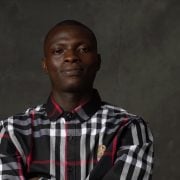
Nigeria’s Permanent Representative to the United Nations, Ambassador Jimoh Ibrahim, has declared that the country has neither developed nor intended to pursue nuclear weapons as part of commitment to international efforts aimed at preventing nuclear proliferation.
Ibrahim made the declaration while addressing the 108th Plenary Meeting of the 80th Session of the UN General Assembly in New York on Monday.
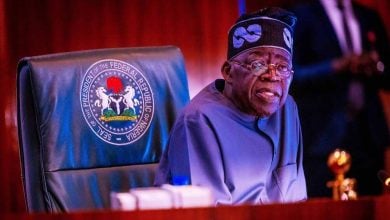
Ibrahim said President Bola Tinubu had directed him to restate Nigeria’s position on nuclear weapons and emphasise the country’s willingness to deepen international cooperation towards achieving a world free of nuclear tests.
“Nigeria neither possesses nuclear weapons nor has it ever pursued a nuclear weapons programme,” the ambassador told the Assembly.
He said Nigeria had established institutions and regulatory mechanisms to monitor and respond to issues involving weapons of mass destruction.
According to him, the Nigeria Atomic Energy Commission remains the lead institution responsible for overseeing the country’s nuclear-related activities and regulatory framework.
Ibrahim also called for a review of Article 2(7) of the UN Charter, arguing that the principle of non-intervention should not be used to prevent international action against countries that conduct nuclear-weapon tests or possess weapons of mass destruction.
The envoy said Nigeria remained aligned with the African Group’s position on nuclear disarmament and welcomed the international community’s commemoration of the 30th anniversary of the Comprehensive Nuclear-Test-Ban Treaty.
He stressed that Africa remains a nuclear-weapon-free zone and has rejected nuclear explosive testing on the continent.
“Nigeria collaborates with countries across the world, including Russia, China, France, South Korea, and the United States, as part of our commitment to international cooperation,” Ibrahim added.
He urged UN member states to intensify diplomatic and multilateral efforts to end nuclear testing, warning that eliminating such tests remains essential to reducing the threat posed by nuclear weapons and creating a safer world.
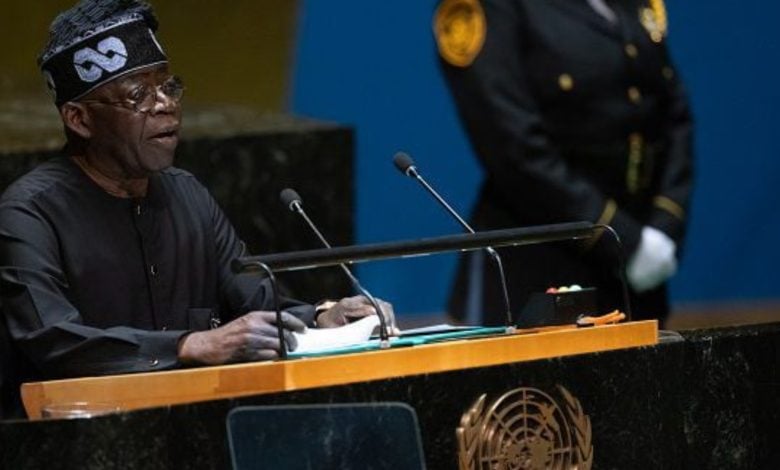
Ibrahim’s comments come ahead of President Tinubu’s planned participation in the high-level General Debate of the 81st UN General Assembly in New York later this month.
According to the provisional speakers’ list, Tinubu is scheduled to address the General Debate on Wednesday, September 23, as the 10th speaker during the morning session.
His address is expected around 11:30 a.m. to noon New York time, corresponding to approximately 4:30 p.m. Nigerian time.
The Nigerian President is expected to join more than 150 heads of state and government, alongside other senior officials from UN member states, for discussions on major global challenges.
The 81st UN General Assembly will be presided over by Bangladesh’s Khalilur Rahman and will be held under the theme, “Restoring trust, managing transformation: A United Nations that delivers for all.”
Beyond his address to the General Debate, Tinubu is expected to participate in several high-level meetings, side events and summits focusing on climate action, rising sea levels and pandemic preparedness.
He is also expected to hold discussions with UN Secretary-General António Guterres, whose second and final term in office ends on December 31, 2026.
A meeting with Nigeria’s Amina Mohammed, the outgoing UN Deputy Secretary-General, is also anticipated during the high-level gathering.
Tinubu’s attendance will mark his return to the UN General Assembly after Vice-President Kashim Shettima represented Nigeria at the 79th and 80th sessions in 2024 and 2025.
Ibrahim recently confirmed that Tinubu had committed to attending the 2026 assembly, saying the President’s participation would give Nigeria an opportunity to present the reforms of his administration to the international community.
The ambassador also disclosed that Nigeria intends to use the UN platform to seek stronger international cooperation on border policing in West Africa.
According to him, the region’s porous borders constitute a major security challenge, while the Federal Government is already working with the UN on a regional border-policing initiative.
Ibrahim said Nigeria would seek wider international backing for the initiative during the General Assembly.
He further disclosed that a meeting between Tinubu and U.S. President Donald Trump could take place on the sidelines of the gathering.
The 81st session of the UN General Assembly is scheduled to open on September 8, while the high-level General Debate will run from September 22 to September 28 at the UN headquarters in New York.