
What Are You Running From – Atiku Queries Tinubu Over UNGA U-turn
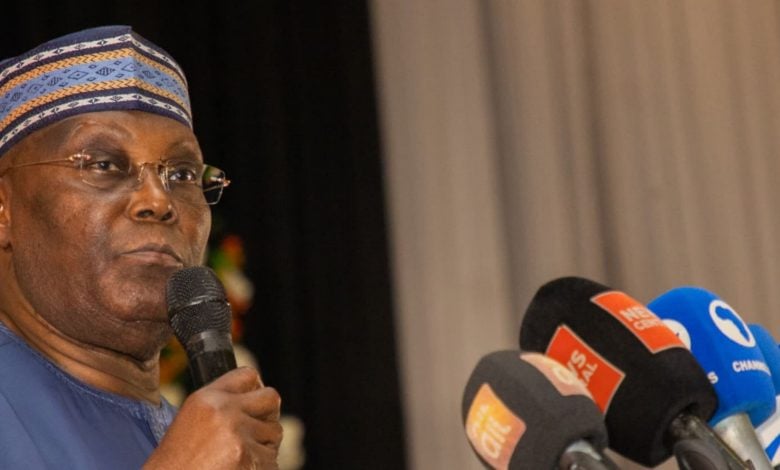
The camp of the African Democratic Congress (ADC) presidential candidate, Atiku Abubakar, has asked President Bola Tinubu to explain his sudden decision to again skip the United Nations General Assembly (UNGA) despite earlier assurances.
Paul Ibe, media aide to the former vice president, raised the questions in a post on his X handle on Sunday, shortly after the Presidency announced that Vice President Kashim Shettima would lead Nigeria’s delegation to the 81st UNGA in New York.
Ibe asked, “What are you running away from?” while questioning why Tinubu would not personally attend the gathering despite earlier indications that he would be in New York and address the General Assembly.
The Presidency had earlier indicated that Tinubu was expected to attend the 81st UNGA, with reports that he would address the General Debate on September 23. Nigeria’s Permanent Representative to the UN, Jimoh Ibrahim, had also publicly said the President would attend this year’s gathering.
However, the Presidency announced on Sunday that Tinubu had instead directed Shettima to represent him and lead Nigeria’s delegation to the annual gathering, scheduled for September 22 to 28.
Ibe noted that the decision means Tinubu will have missed the UNGA in person for three consecutive years, after attending the 78th session in 2023.
Tinubu personally attended the 78th UNGA in September 2023, where he delivered Nigeria’s national statement.
He subsequently delegated Shettima to represent him at the 79th session in 2024 and the 80th session in 2025.
According to Ibe, the latest decision raises questions about the reason for the President’s absence, particularly given the earlier announcement of his expected participation.
He questioned whether any bilateral engagement with United States President Donald Trump had been planned, cancelled or declined, and asked whether diplomatic, political, security or other considerations informed the change.
“Why did the President change his plans? Why will he not personally attend UNGA?” Ibe asked.
He also argued that the 81st UNGA would have provided an opportunity for Tinubu to engage directly with world leaders on issues including investment, security cooperation, trade and international partnerships.
The Atiku aide further criticised what he described as the administration’s wider diplomatic record, citing the prolonged period during which several Nigerian diplomatic missions operated without substantive ambassadors following the recall of ambassadors in 2023.
He also recalled that the Federal Government announced the appointment of 65 career and non-career ambassadorial nominees in March 2026, after the positions had remained vacant for an extended period.
Ibe maintained that Nigeria’s international representation required sustained diplomatic engagement, arguing that ambassadors play roles in promoting national interests, investment, international cooperation and consular matters.
Meanwhile, the Presidency said Shettima’s participation would ensure Nigeria maintains a strong presence at the global gathering.
According to a statement by Stanley Nkwocha, Senior Special Assistant to the President on Media and Communications in the Office of the Vice President, Shettima will deliver Nigeria’s national statement during the General Debate.
He will also participate in high-level meetings on the Right to Development, climate action and other issues affecting Nigeria and Africa.
The Vice President is expected to hold bilateral meetings with foreign leaders, international organisations and development partners, with the Federal Government saying the engagements will be used to advance Tinubu’s economic diplomacy, deepen strategic partnerships and strengthen Nigeria’s position on reform of the global financial architecture.
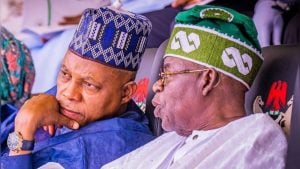
Ibe, however, said the Presidency should explain why Tinubu’s earlier plan to attend the meeting was changed at the last minute.
“The office of President belongs to the Nigerian people,” he said, adding that asking questions about a sudden change in Nigeria’s international representation amounted to accountability rather than hostility.
“When the country’s international representation changes suddenly on the eve of the world’s most important diplomatic gathering, asking “Why?” is not hostility. It is accountability,” he added.

One Comment