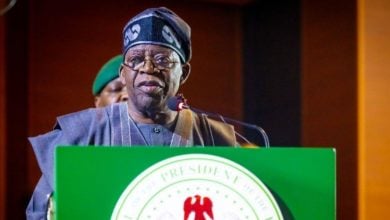
INEC Reveals How AI-Generated Photos Entered Voter Register

The Independent National Electoral Commission (INEC) has disclosed how photographs suspected to have been generated with artificial intelligence (AI) found their way into the preliminary register of voters ahead of the 2027 general elections.
The commission attributed the development to alleged misconduct by some of its registration officers, who reportedly used their official login credentials to introduce questionable records into the voter database.
INEC’s Director of Information and Communication Technology, Dr Lawrence Bayode, made the disclosure during an interview on Arise Television on Friday.
He explained that the commission had identified irregularities in several states after examining the registration records through its Automated Biometric Identification System (ABIS).
According to Bayode, the findings showed that some registration officers had compromised the registration process by introducing records that did not meet the required standards.
He stressed that the problem was not limited to one location, as the irregularities were discovered across different states.
“We have registration officers on the field. And these registration officers, they have login details to log into the system.
“So what we have found is that some of these registration officers, not all of them now, some of them across the states nationwide, they’ve done different things to bring these irregularities onto the register,” Bayode said.
The ICT director explained that the questionable photographs did not all originate from artificial intelligence tools.
While some appeared to have been generated using AI, others were linked to poor registration practices and failures to follow the commission’s established procedures.
He said the presence of such records raised concerns about the activities of personnel entrusted with handling sensitive voter information and maintaining the integrity of the registration system.
“Some of these pictures are AI-generated. Some of them not AI-generated, but very bad registration. And this thing got into the register by the registration officers and because they have access to register people,” he said.
Bayode further disclosed that the commission had been able to identify the suspicious records and establish how some of the irregularities entered the database.
However, he admitted that the reasons behind the actions of the officers involved remained unclear to him.
“When the ABIS was run on the system, we saw these people. We know what they did. We know how they did it. But honestly, I don’t know why,” he added.
Bayode said INEC had already commenced efforts to identify and correct the affected records before the public release of the preliminary register.
He explained that the commission was working within a statutory 90-day period to complete the necessary verification and correction exercises.
However, the development has drawn attention to the challenges associated with maintaining a reliable voters’ database, particularly as Nigeria prepares for another general election.
The controversy became public after INEC uploaded its preliminary register of voters to its website on October 26, 2026.
Shortly after the publication, Nigerians began raising concerns over several unusual entries found in the document.
Screenshots circulated on social media showing photographs suspected to have been generated by artificial intelligence attached to voter records.
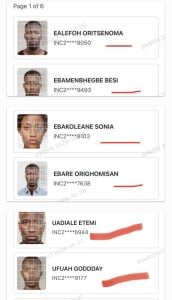
Some of the images reportedly appeared in records from Edo State, attracting public attention and prompting questions about how such photographs passed through the commission’s registration system.
Apart from the suspected AI-generated images, other complaints concerned alleged multiple registrations and the omission of details belonging to some individuals who had previously completed their voter registration.
The development prompted INEC to issue a clarification on October 27, explaining that the version uploaded online was not a newly compiled document but the same preliminary register that had earlier been displayed physically across the country.
In its statement, the commission said it had identified questionable entries during the physical display exercise and had already begun examining them.
INEC stated that the online publication did not capture all the corrections and data-cleaning activities being carried out by its officials.
The commission also maintained that the preliminary register should not be mistaken for the final document that would be used for the 2027 general elections.
It explained that the Display, Claims and Objections exercise was specifically designed to give registered voters an opportunity to examine their information, identify errors and challenge questionable entries before the final register is certified.
INEC further stated that it was investigating the circumstances surrounding the suspicious photographs, including possible technical and procedural lapses. It assured Nigerians that appropriate action would follow once its findings had been established.
The physical display of the preliminary register took place at Registration Areas nationwide between October 9 and 15, 2026.
The exercise was conducted in accordance with Section 19 of the Electoral Act, 2026, which provides for public scrutiny of the voters’ register and the submission of claims and objections.
Following concerns about access to the document, INEC subsequently made the preliminary register available through its online platform at https://display.inecnigeria.org.
The decision was intended to allow more Nigerians to check their registration details, particularly those who might not have had the opportunity to inspect the physical copies displayed at their respective Registration Areas.
INEC Chairman of the Information and Voter Education Committee, Mohammed Kudu Haruna, had explained that the online publication was an additional measure to improve accessibility and public confidence in the electoral process.
The commission also reiterated that it was processing complaints arising from the exercise and would address verified cases through the appropriate procedures.