Doctors Threaten Strike Over Bill Seeking Jail Term For Emergency Delays

The Nigerian Association of Resident Doctors (NARD) has threatened a nationwide strike over a proposed amendment to the National Health Act seeking to impose a six-month jail term or a fine of up to N300,000 on healthcare professionals for delays in providing emergency medical treatment.
Politics Nigeria reports that the association warned that it would explore all lawful options, including industrial action, if the National Assembly proceeds with the proposed provisions, which it described as punitive and disconnected from the realities of Nigeria’s healthcare system.
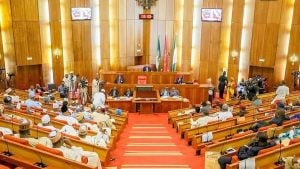
The bill, which has reportedly passed its second reading in the Senate, seeks to establish mandatory timelines for emergency medical treatment and referrals, with penalties for healthcare workers and facilities that fail to meet the requirements.
“A health care provider, health worker, or health establishment shall not refuse any person emergency medical treatment for any reason whatsoever,” the proposed amendment partly stated.
“All healthcare workers involved in the provision of emergency medical care shall be required to undergo training and obtain certification in emergency care competencies as a condition for participating in the delivery of emergency medical services.”
However, NARD argued that doctors should not be held criminally responsible for delays caused by inadequate hospital facilities, poor funding, insufficient medical personnel and shortages of essential equipment.
In a statement signed by its President, Dr Ogar Emmanuel Idoko; Secretary-General, Dr Besongngem Akotanchi; and Publicity and Social Secretary, Dr Ashimom Timothy, the association acknowledged the importance of timely emergency care but insisted that accountability must also extend to government and healthcare institutions.
It identified obsolete medical equipment, unreliable electricity, inadequate staffing, shortages of emergency supplies and deteriorating hospital infrastructure as some of the challenges undermining effective emergency services across the country.
The doctors also accused the National Assembly of prioritising criminal sanctions against healthcare professionals while neglecting the need to improve funding for the sector.
NARD noted that Nigeria had yet to meet its commitment under the Abuja Declaration to allocate 15 per cent of its national budget to healthcare.
It challenged lawmakers to show the same urgency in providing functional emergency departments, modern diagnostic equipment, reliable ambulance services, uninterrupted electricity and adequate medical personnel.
The association further warned that exposing doctors to criminal prosecution for circumstances beyond their control could worsen the migration of skilled medical professionals from Nigeria.
According to NARD, an increasingly hostile working environment could accelerate the brain drain and further weaken an already struggling healthcare system.
It called on the National Assembly to withdraw and reconsider the proposed punitive provisions, urging lawmakers to consult medical associations, hospital administrators, patient representatives and other relevant stakeholders before proceeding with the legislation.
The association also advocated laws that would guarantee adequate healthcare funding, establish minimum standards for emergency care and ensure accountability for institutional failures.
It insisted that any exemptions for medical practitioners facing circumstances beyond their control must be clearly defined, comprehensive and enforceable to prevent doctors from being punished for unavailable equipment, insufficient personnel and other systemic shortcomings.
NARD also challenged public officeholders to demonstrate confidence in Nigeria’s public healthcare system by seeking medical treatment in government-owned hospitals instead of routinely travelling abroad for healthcare services.
The association maintained that doctors should not be made scapegoats for the failures of a healthcare system that requires urgent government intervention.