Nigeria Will Soon Have More People Than US – VP Shettima Brags
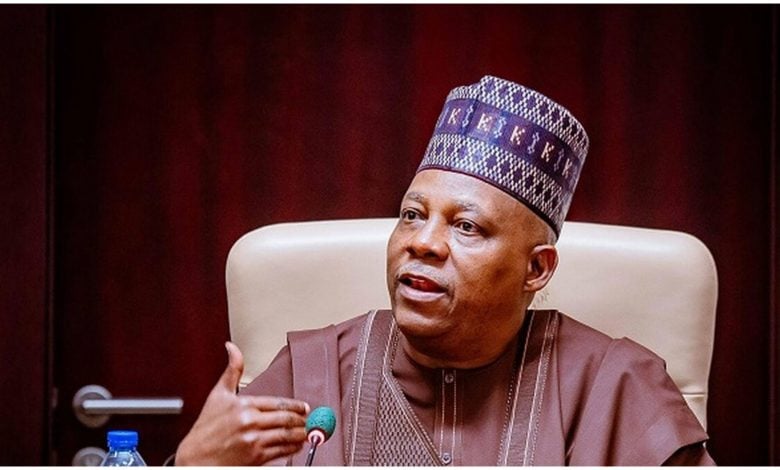
Vice President Kashim Shettima has predicted that Nigeria will surpass the United States in population size before the end of the century, projecting that the country will become the world’s most populous nation.
Shettima said Nigeria’s population would reach about 440 million by 2050, making it the third most populous country in the world.
The Vice President made the prediction on Wednesday while speaking at the World Public Relations Forum in Abuja, themed “Responsible Communications: The Voice of the World.”
He described Nigeria as a country with enormous potential, citing its youthful population, cultural diversity, hardworking citizens and growing private sector.
According to him, Nigeria’s population growth would significantly increase the country’s share of the global Black population in the coming decades.
“We (Nigerians) are loud, confident and, of course, an extremely hardworking people. ‘Nija no de carry last.’ Nigeria is a country of enormous possibilities. We are a nation of diverse cultures and ideas with a youthful population, a dynamic private sector and a strong determination to build a more prosperous future,” he said.
Shettima added that Nigeria already accounts for a significant proportion of the global Black population, predicting that the country’s share would increase further by 2050.
“One out of every four Black men is a Nigerian, 250 million Black people, and by 2050, one out of every three Black men will be a Nigerian, and we will surpass the United States. We will be the third most populous nation on earth with a population of 440 million people,” he said.
The Vice President further predicted that Nigeria would become the world’s most populous country by the end of the century.
“And by the end of the century, distinguished delegates, Nigeria will be the most populous nation on earth. So, we have every cause to celebrate Nigeria,” he added.
However, Shettima’s optimism about Nigeria’s population growth comes amid persistent economic difficulties facing millions of Nigerians under President Bola Tinubu’s administration.
Since assuming office in May 2023, the Tinubu government has implemented major economic reforms, including the removal of petrol subsidies and the unification of the foreign exchange market.
Although the government has defended the policies as necessary to stabilise the economy, they have contributed to increased living costs, with Nigerians continuing to grapple with high food prices, transportation costs and other economic challenges.
The administration has maintained that the reforms are beginning to produce positive results and has promised that improved economic conditions will eventually translate into better living standards.
In October 2026, President Tinubu welcomed a World Bank report indicating improvements in some economic indicators, including increased economic growth and a stabilisation of the poverty rate. However, the report also highlighted the need to ensure that economic gains translate into improved living conditions for ordinary Nigerians.