NNPCL Increases Petrol Price
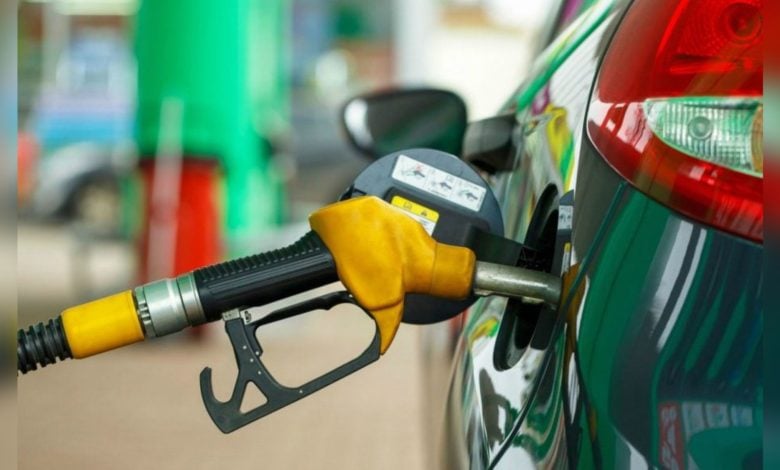
The Nigerian National Petroleum Company Limited (NNPCL) has increased the pump price of Premium Motor Spirit (PMS), commonly known as petrol, at its retail outlets in Abuja and neighbouring areas.
POLITICS NIGERIA reports that NNPCL filling stations were selling petrol at N1,270 per litre, up from N1,250 previously.
The latest adjustment represents a N20 increase and comes despite the Dangote Petroleum Refinery’s expansion of its free petrol delivery initiative to 10 destinations across Nigeria, including Abuja.
Petrol Now Sells Above N1,200 in Abuja
The latest NNPCL increase has widened the price gap between the state-owned company and some private fuel marketers.
MRS filling stations had earlier increased their petrol price by N20 to N1,230 per litre. Petrol at several other outlets, including Geregu, Ranoil, Emedab and Mobil, was also being sold below the latest NNPCL price.
However, Empire and AA Rano filling stations were dispensing petrol at between N1,275 and N1,299 per litre.
This means motorists in Abuja and its environs are now buying petrol at prices ranging from N1,230 to N1,299 per litre, depending on the filling station.
Increase Comes Despite Dangote’s Free Delivery Initiative
The NNPCL adjustment is coming despite the Dangote Petroleum Refinery’s decision to expand its free petrol delivery initiative to 10 destinations, including Abuja.
The refinery’s petrol is reportedly being offered at an equivalent price of N1,185 per litre under the initiative, creating a significant difference between its supply arrangement and the new NNPCL retail price.
The development has also raised questions among motorists and consumers over the direction of petrol prices, particularly amid changes in international crude oil prices.
Crude Oil Prices Remain a Major Factor
At the time of reporting, Brent crude was trading at about $88.80 per barrel, while West Texas Intermediate (WTI) stood at approximately $81.86 per barrel.
The latest fuel price movement follows several rounds of adjustments in the downstream petroleum sector, with marketers continuing to respond to changes in crude oil prices, refined product costs and other market conditions.
In July, petrol prices had climbed to as high as N1,400 per litre in some parts of Nigeria, leading to fresh increases in transport fares and worsening the cost-of-living pressure on households.
Dangote Refinery Earlier Increased Ex-Depot Price
The latest development also follows an earlier increase in the ex-depot price of petrol by the Dangote Petroleum Refinery.
The refinery had suspended petrol sales in naira on July 15 and temporarily switched to dollar pricing, citing difficulties in accessing sufficient crude oil under the Federal Government’s naira-for-crude arrangement.
Following government intervention, the refinery returned to naira-denominated sales and increased its ex-depot price from N1,075 to N1,215 per litre, representing a 13.02 per cent increase.
A notice from the refinery’s commercial department stated, “Please be advised that all unloaded gantry volumes will be subject to repricing at the new price, which is effective 22nd July 2026. Kindly proceed with placing your order. Should you require any further clarification, please do not hesitate to contact us.”
The adjustment contributed to higher pump prices in different parts of the country, with petrol selling for about N1,300 per litre in Lagos, between N1,255 and N1,305 in Ilorin, around N1,350 in Kaduna and between N1,360 and N1,370 in Adamawa.
In Maiduguri, petrol prices were reported to have risen to between N1,370 and N1,390 per litre.
Fuel Price Increases Push Up Transport Fares
The repeated changes in petrol prices have already affected transportation costs in several states.
In Maiduguri, the fare for a trip to Kano reportedly increased from N20,000 to N25,000, while commuters in the Federal Capital Territory have complained that transportation is taking up a larger portion of their income.
Commercial drivers have also said higher petrol prices have left them with little choice but to increase fares because of the rising cost of operating their vehicles.
Chairman of the Independent Petroleum Marketers Association of Nigeria (IPMAN) in Borno State, Mohammed Kuluwu, said frequent fluctuations in petrol prices had in July discouraged some marketers from loading products.
Dangote Confirmed Return to Naira Pricing
The latest developments followed the return of the Dangote Refinery to naira-denominated petrol sales.
Petroleumprice.ng, an industry pricing platform, confirmed the development, with the refinery’s Chief Executive Officer, Jeremiah Olatide, saying, “Yes, the refinery has returned to pricing its product in naira.”
The development is significant because the refinery’s pricing decisions have become an important factor in the domestic petrol market since it began supplying locally refined petrol to marketers.
Fresh Debate Over Petrol Subsidy
The latest petrol price increase is also coming amid renewed political debate over the possibility of restoring fuel subsidy.
Former Vice President Atiku Abubakar, who is the presidential candidate of the African Democratic Congress (ADC), has promised to restore the subsidy if elected president in 2027.
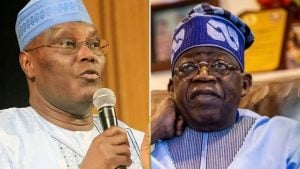
Atiku said his position had changed since President Bola Tinubu removed the subsidy in May 2023 and questioned what had happened to the money previously spent on the scheme.
He said, “I initially did not oppose the removal of the fuel subsidy. But now that it has been removed, where is the money? Where has the subsidy money gone? Has it been used to improve healthcare, education or security?”
The former vice president added, “If I win the presidential election, I will restore the subsidy. And anyone who stole Nigeria’s subsidy funds must return the money.”
Presidency Rejects Atiku’s Subsidy Promise
The Presidency has rejected Atiku’s proposal, with Special Adviser to President Tinubu on Media and Public Communication, Sunday Dare, describing the former vice president’s position as a political reversal.
Dare argued that returning to the old subsidy system would undermine the reforms introduced by the Tinubu administration and weaken the development of local refining capacity.
He described the former subsidy regime as “a black hole of rent-seeking, round-tripping, and monumental corruption that starved health, education, and infrastructure of vital capital.”
Dare further warned, “Restoring it would instantly sabotage the nascent renaissance of local refining, crush private sector confidence, and plunge the country back into chronic foreign exchange haemorrhage.”