Senate gives NNPC two weeks to explain N210trillion controversy
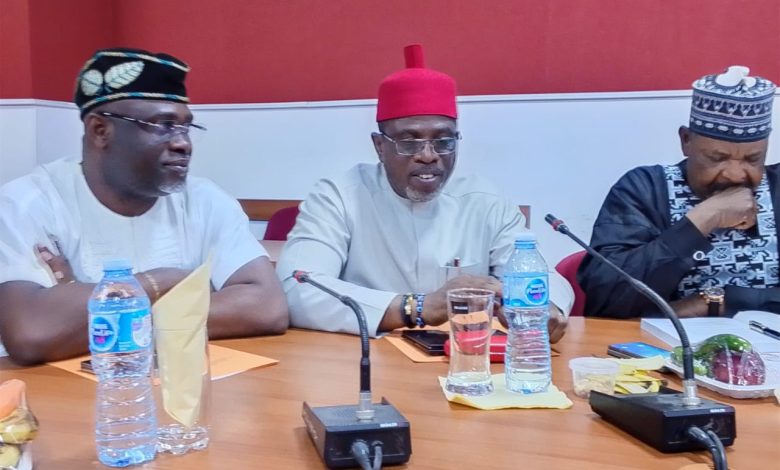
The Senate Committee on Public Accounts has given the management of the Nigerian National Petroleum Company Limited (NNPCL) two weeks to appear before it over N210 trillion flagged in audit reports.
The committee set April 29, 2026, as the deadline for compliance by the state-owned oil company.
Senator Aliyu Wadada representing Nasarawa West and chairman of the committee, announced the resolution earlier today.
The committee directed that NNPCL CEO, Bayo Ojulari, Mele Kyari, former CEO, Umar Ajia, former chief financial officer, Bala Wunti, and the company’s external auditors should all appear before the committee.
The resolution followed a motion moved by Senator Osita Izunaso representing Imo West, and seconded by Senator Adams Oshiomhole representing Edo North.
Wadada said the funds, covering 2017 to 2023, must be fully accounted for and said responses provided by NNPCL to 19 audit queries were unsatisfactory.
“This committee and by extension, the senate, is not satisfied with blanket explanation given by NNPCL on N103 trillion which it said stands for liabilities because liabilities are in three components which are retention fee, legal fee and audit fee,” he said.
“Specific amount of money spent on each of the three components must be stated and explained. Detailed explanation is also expected to be given on the N107 trillion NNPCL said it expended on JVC cash call and part of the money allegedly owed by some defunct banks whose names were not mentioned.
“Consequently, it is hereby resolved that the NNPCL is given an additional two weeks to unfailingly appear before this committee. The deadline for compliance is set for Wednesday, April 29, 2026.”
Abdul Ningi, senator representing Bauchi central, called for measures to compel the appearance of NNPCL officials.
“We must treat this matter with the utmost seriousness. The essence of democracy rests significantly on the strength and authority of the legislature.
“Unfortunately, in recent times, there appears to be a growing reluctance by individuals to honour invitations from the National Assembly, leaving members feeling helpless in compelling appearances before committees,” he stated.