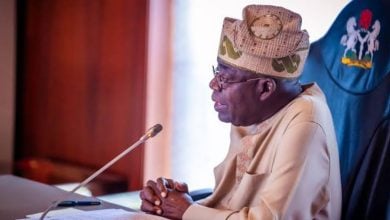
State Police Bill scales second reading at Senate
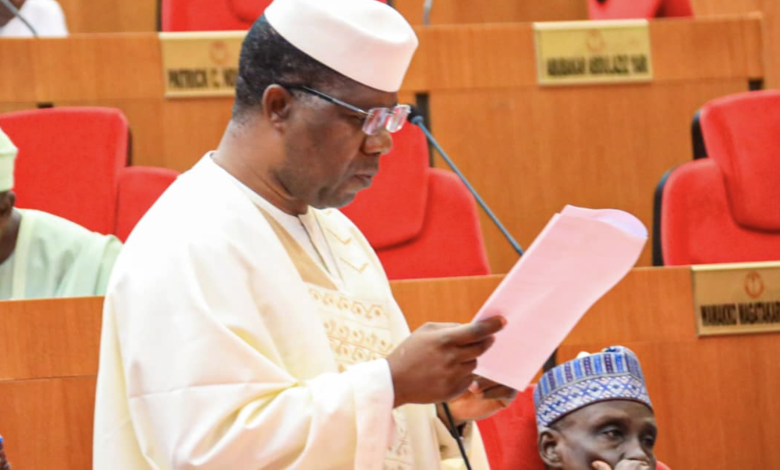
The bill seeking to establish State Police and devolve policing powers to subnational governments on Thursday, June 11, 2026, scaled its second reading in the Nigerian Senate.
The passing of the bill marks a significant step toward overhauling Nigeria’s internal security architecture.
The legislation, which enjoys broad bipartisan support, was sponsored by Senate Leader Senator Opeyemi Bamidele.
It was referred to the Senate Ad-hoc Committee on the Review of the 1999 Constitution by Senate President Godswill Akpabio for further legislative scrutiny.
Leading the debate, Senator Bamidele underscored the urgent need for reform amid Nigeria’s escalating security challenges, including terrorism, banditry, mass abductions, farmer-herder clashes, cultism, armed robbery, pipeline vandalism, and cyber-enabled crimes.
He argued that the centralised Nigeria Police Force has struggled to respond effectively to localised threats.
“Nigerians have consistently called for the establishment of State Police, citing the inability of a centralised policing structure to adequately respond to the complex, evolving and localised security threats facing our communities,” Bamidele said.
The bill proposes the creation of both Federal and State Police structures, clearly defining their responsibilities, establishing State Police Service Commissions, and introducing robust oversight mechanisms.
It also seeks to transfer policing from the Exclusive Legislative List to the Concurrent List to promote cooperative federalism.
Bamidele assured senators that the proposal would not undermine national unity.
“Rather, it strengthens the Federation by enabling each level of government to effectively discharge its constitutional responsibilities,” he stated.
Also addressing concerns about potential abuse by state governments, the Senate Leader highlighted several built-in safeguards, including federal oversight through the Federal Police Service Commission, uniform national standards, legislative confirmation of senior appointments, strengthened removal procedures for State Commissioners of Police, and provisions for federal intervention in cases of breakdown of law and order.
He emphasised practical benefits, including improved intelligence gathering through local knowledge of terrain, language and culture; faster response times; stronger community policing; and reduced pressure on the Federal Police, which would then focus on national threats such as terrorism, interstate crime, border security and cybercrime.
Citing global examples, Bamidele noted that mature federations like the United States, Canada, Australia and Germany successfully operate multi-layered policing systems combining federal and subnational forces.
Senators, particularly from the northern region, largely backed the bill during contributions.
Senate Chief Whip Senator Tahir Monguno expressed strong support for the legislation, stating that it would provide a legal framework to regulate security operations and help address the proliferation of unregulated vigilante groups across the country.
The bill now advances to the constitutional review committee for detailed examination before returning to the full Senate for possible third reading and passage.