What Opposition Parties Must Do To Remove Tinubu In 2027 — Ex-APC Chieftain
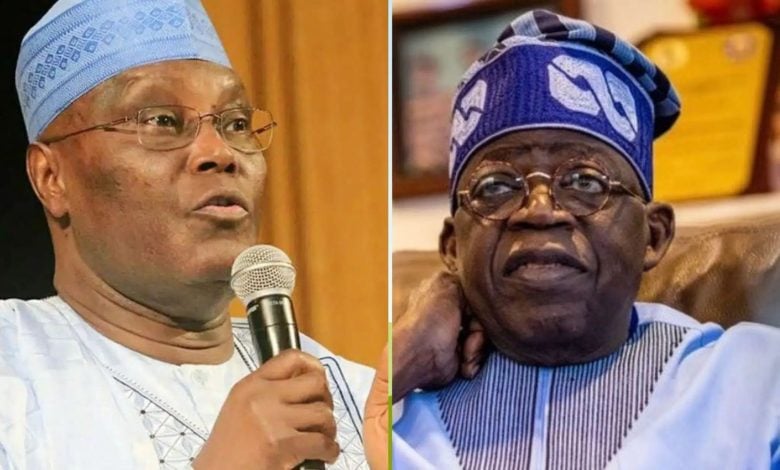
A former chieftain of the All Progressives Congress (APC), Salihu Lukman, has said opposition parties must overcome their divisions and unite if they intend to unseat President Bola Ahmed Tinubu in the 2027 presidential election.
Lukman said the outcome of the just-concluded Osun State governorship election had demonstrated that a united opposition could successfully challenge the ruling party at the polls.
The Independent National Electoral Commission (INEC) declared Governor Ademola Adeleke the winner of the election, with the incumbent defeating the APC candidate, Bola Oyebamiji.
Reacting to the result in a statement at the weekend, Lukman described the Osun election as a “veritable template” for opposition parties seeking to unseat Tinubu in 2027.
According to him, the opposition does not lack popular support among Nigerians but is being weakened by fragmentation and competing political interests.
“Nigeria’s opposition does not suffer from a shortage of popular support. Its greatest challenge is fragmentation,” Lukman stated.
He urged opposition leaders to place national interest above individual ambitions, arguing that the same level of compromise and political coordination that produced the Osun outcome would be required to defeat the ruling party in the next presidential election.
“Nigeria is bigger than any candidate, any ambition and any political party. If opposition leaders genuinely believe that the country requires a different direction in 2027, then they must demonstrate the same courage, restraint and willingness to compromise that has now produced this outcome in Osun,” he added.
Lukman’s comments come amid renewed efforts by opposition parties to build a coalition ahead of the 2027 general elections.
However, his position comes against the backdrop of his recent disagreement with the African Democratic Congress (ADC), one of the parties involved in the opposition coalition.
In July, Lukman, a former APC National Vice-Chairman (North-West), suspended his membership of the ADC, citing what he described as “painful hostile treatment” by former Kaduna State Governor, Nasir El-Rufai.
In a statement addressed to ADC National Chairman, David Mark, Lukman alleged that he had been sidelined in leadership arrangements in Kaduna State, saying he felt “reduced to the status of a bastard.”
He also expressed disappointment with the direction of the opposition coalition, warning that internal disagreements could undermine its ability to present a credible challenge in 2027.
“For many coalition leaders, the objective of rescuing our democracy is just about allowing them to have their way even when their actions are to reproduce the old habits that destroyed our former parties,” he said.
Lukman added that he had spent more than a year attempting to unite opposition leaders in Kaduna but eventually decided to suspend his participation in the ADC and the coalition.
He also criticised the ADC’s vice-presidential candidate, Rotimi Amaechi, accusing him of reaching out to individuals whose commitment to the party was questionable.
Despite his withdrawal from the ADC, Lukman stressed that his decision did not affect his official relationship with Mark and other leaders of the party.
In 2025, Lukman also expressed concern over what he described as the APC’s drift from its founding progressive ideals towards excessive centralisation.
Speaking on Channels Television’s The Morning Brief, he criticised the abandonment of internal contests in favour of automatic endorsements of candidates.
“The APC has moved from a party envisioned to be progressive to almost a monarchy,” he said.
Lukman argued that the party’s decision to adopt candidates without internal contests had weakened its democratic structure, claiming that the trend extended from the presidency to governors and legislators.
He also questioned the democratic character of political parties in Nigeria, saying parties that fail to follow their constitutions, hold regular meetings or ensure accountability cannot be regarded as genuine political organisations.
“Any party whose elected representatives are not accountable is not a party in the classical sense,” he had said.